If you’re on Ozempic or Wegovy, (two popular GLP-1 drugs) and you’ve noticed more hair in your brush than usual… you are not imagining things.
I’ve been getting emails about this weekly.
And no, before you spiral, it does not mean your thyroid just collapsed or your follicles are permanently damaged.
Let’s unpack what’s actually happening. 
First: Is Hair Loss a Known Side Effect?
Hair loss appears in the prescribing information at a low percentage (about 3% vs 1% placebo), but it’s rarely emphasized in patient discussions — and it’s often attributed to rapid weight loss rather than the medication’s metabolic effects.
But here’s the nuance.
Rapid weight loss — from any cause — can trigger telogen effluvium, a temporary shedding condition.
Telogen effluvium is a temporary hair shedding condition that happens when your body goes through stress — like illness, rapid weight loss, or hormonal changes — and more hairs than usual shift into the “resting” phase and fall out a few months later. It occurs when metabolic stress pushes hair follicles from the growth phase (anagen) into the resting phase (telogen).
Three to four months after the major stressor? 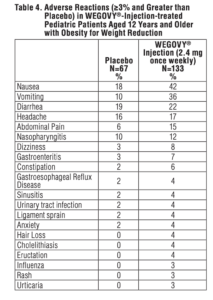
Shed city. You’ll see it in your shower drain and your brush! It’ll be all over the floor. You can read more in this StatPearls ARTICLE about telogen effluvium.
So the drug isn’t “toxic to hair.” But the metabolic shift is dramatic enough that your body says: We are not growing mermaid hair right now. We are surviving.
Hair is optional. Glucose regulation is not.
The Real Issue: Drug Mugging
This is where it gets interesting — and where I may be the only one explaining it this way.
Medications don’t just work on their intended target.
They also “borrow” nutrients from your body to metabolize, function, and adapt.
I call this drug mugging.
It’s the idea that certain medications quietly deplete vitamins, minerals, and cofactors — not because they’re evil, but because biochemistry requires fuel.
That’s why I created drugmuggers.com. You can look up your medications in seconds and see what nutrients may be depleted and how to support your body — for pennies a day. GLP-1 drugs slow gastric emptying, suppress appetite, and reduce overall intake. That alone can lower protein, iron, zinc, and B-vitamin status over time.
Less intake + altered digestion + rapid weight loss = higher risk of shedding. It’s math, not mystery.

The Nutrients Hair Follicles Secretly Need
Hair is metabolically expensive tissue. To grow it, you need 5 nutrients:
- Adequate protein (keratin is protein-based).
- Iron for oxygen transport to follicles.
- Zinc for cell division.
- Vitamin C for collagen synthesis.
- B vitamins for energy metabolism.
- Magnesium for cellular ATP stability. (Are you taking the right kind of magnesium? Some are only useful for constipation and others are useful for bone and cellular health. READ THIS).
If you’re eating significantly less — or feeling nauseated — you may not be hitting optimal levels.
And most doctors aren’t checking ferritin, zinc, or functional B status unless you push. 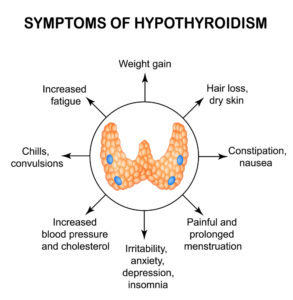
The Thyroid Angle (Because Yes, It Matters)
Rapid caloric restriction can lower T3 levels via adaptive thermogenesis. That doesn’t mean your thyroid is failing — it means your metabolism is adjusting.
But if you were borderline low in iron, selenium, iodine, or zinc before starting the medication?
Now you may feel it. That’s why supporting thyroid terrain matters — whether you’re on a GLP-1 drug or not. You know I’ve co-hosted the Thyroid Summit for years and wrote Thyroid Healthy because this gland controls the metabolic symphony. You can’t ignore it while adjusting insulin, leptin, and appetite signaling. A lot of people don’t realize they have less than optimal thyroid function because it goes under the radar for years and also testing isn’t reliable.
If you’re not sure, take a peek at this graphic and see if you have 3 or more symptoms. If so, get a “Thyroid Profile” lab test. You can SELF-ORDER it, or you can ask your physician to send you to the lab to do it. It’s just a simple blood test.
The endocrine system is not a collection of isolated apps. It’s one operating system. Read my article on this topic for more help: 14 Common Medications That Can Trigger Hair Loss — Plus Key Facts About Thyroid Drugs
So What’s the Simple Fix for GLP-1 Drug-Induced hair Loss?
Not stopping the medication in a panic.
Not buying every “hair growth serum” on TikTok.
The fix is foundational.
Increase protein intentionally.
Resistance train to preserve lean mass.
Check ferritin (not just hemoglobin): Read this article next, Could Iron Deficiency Anemia Be Draining You? 8 Critical Tests to Know
Replete zinc and magnesium if low.
Support collagen production.
Correct B-vitamin insufficiency: Here’s Your Guide to B Vitamins: 6 Critical Reasons to Consider B Vitamins
If you prefer whole-food approaches, your local health food store carries quality zinc, magnesium glycinate, collagen peptides, and B-complex formulas.

- Collagen Beauty Powder to support structural protein. Dislike the giant scoopful of the brand you take right now? TRY THIS TINY SCOOP – some things are just worth it!
- Mito B Complex for cellular energy metabolism. LEARN MORE
- Vitamin C with DHQ to support collagen synthesis and antioxidant protection.
Chelated Zinc and Chelated Magnesium Glycinate (both Albion forms, gentle on the stomach). Both of these are availabe in gentle-on-the-stomach capsules at MY SHOP.
None of these are magic bullets. They’re metabolic insurance. And if you want to understand the broader nutrient depletion pattern, read my companion article on replenishing what GLP-1 drugs may deplete — it connects beautifully to this.
The Reassuring Part
Telogen effluvium is temporary even if it’s caused by GLP-1 drugs.
Once metabolic stress stabilizes and nutrients are repleted, follicles re-enter the growth phase.
Hair cycles last months. Be patient with biology.
Your body isn’t broken.
It’s adapting.

And when you support it properly — not just chase weight loss — it remembers how to thrive.
You can improve insulin sensitivity and protect your hair whether or not you take a GLP-1 drug.
You can use modern medicine and still honor biochemistry.
Just don’t forget to feed the follicles while you’re feeding the scale.
And if you’re on any medication at all, go run it through drugmuggers.com. It takes seconds. Your nutrients deserve to know what they’re up against.

Suzy Cohen, RPh, has been a licensed pharmacist for over 30 years, blending conventional medicine with natural approaches to help people feel better and live healthier. She is the founder of Script Essentials, a supplement company known for targeted, custom-formulated products, some with patented innovations.
With a special focus on thyroid health, functional medicine, and drug-induced nutrient depletion (what she calls “drug muggers”), Suzy is the author of several books including Thyroid Healthy, Drug Muggers, and Diabetes Without Drugs. She also writes a nationally syndicated health column and shares practical, easy-to-understand guidance with readers around the world.