Perimenopause usually shows up in your 40s — sometimes earlier, sometimes later — and it’s simply the transition phase before menopause. Your hormones start shifting, cycles change, and things feel… different.
Men go through their own version too, often called andropause, with similar energy and mood changes. You can read more about that HERE.
But here’s the part almost nobody talks about: the brain fog people blame on “hormones”?
It’s often nutrients, sleep, and absorption first. And those basics are rarely checked, don’t ask me why. (Sometimes it’s too much browsing on your device! Put that down for 3 days and 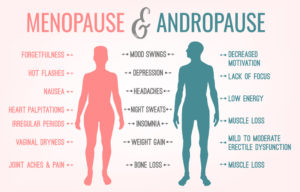 watch how your brain responds – I mean that in a good way).
Anyway, I’ve been hearing the same sentence from women over and over for decades.
“Suzy… I just don’t feel sharp anymore.”
They lower their voice when they say it, worried they’re declining and maybe embarrassed in meetings. Could it be early dementia? These are genuine fears.
Like it’s a secret.
Like something is wrong with them.
They tell me they’re forgetting words mid-sentence. Walking into rooms and blanking. Feeling flat, tired, unmotivated. Not depressed exactly… just not themselves. And almost every time, someone has already told them, “Oh, it’s just perimenopause. Hormones.”
Maybe.
But after decades as a pharmacist, I can tell you something that might surprise you:
Brain fog is often biochemical before it’s hormonal… and that’s not just for women undergoing perimenopause
Meaning… your brain usually isn’t failing you.
It’s under-fueled.
5 Things I’ve noticed after all these years
When women hit their 40s and 50s, we tend to blame everything on estrogen.
Weight changes? Hormones.
Mood changes? Hormones.
Sleep? Hormones.
Brain fog? Definitely hormones.
Hormones matter, of course. They absolutely do because it is after all perimenopause!
But here’s what I see clinically, over and over again. Women trying to “fix their hormones” while quietly running on empty. Taking an estrogen or HRT pill doesn’t address any of this:
- Low magnesium.
Magnesium acts as a natural voltage-dependent antagonist at the NMDA (N-methyl-D-aspartate) receptor, helping regulate excitatory glutamate signaling IN THE BRAIN. When magnesium is low, NMDA receptors can become overactive, contributing to neuronal hyperexcitability, poor sleep, and cognitive fog.
2. Low B vitamins.
Vitamin B6, B12, and folate are essential in one-carbon metabolism and methylation cycles, including the conversion of homocysteine to methionine and the production of S-adenosylmethionine (SAMe), a universal methyl donor involved in neurotransmitter synthesis and DNA regulation. Subclinical deficiencies can affect mood, cognition, and stress resilience. This PAPER is about B vitamins and the brain.
3. Low iron stores.
Iron is a required cofactor for tyrosine hydroxylase, the rate-limiting enzyme in dopamine synthesis. Inadequate iron can impair dopaminergic signaling, which may present as fatigue, reduced motivation, and cognitive slowing — even before anemia develops. Read this article if you want a deep dive: Early Iron Deficiency Has Brain and Behavior Effects Consistent with Dopaminergic Dysfunction
4. Poor sleep.
During deep (slow-wave) sleep, the glymphatic system becomes more active, facilitating cerebrospinal fluid exchange and the clearance of metabolic waste products such as beta-amyloid from the brain. Poor sleep impairs this clearance process, which may contribute to cognitive fog and long-term neurologic risk. There’s an interesting scientific paper back from 2020 about the “sleeping brain” if you CLICK HERE.
Also, I wrote an intriguing article that might interest you – consider it: The Glymphatic System – Your Brain’s Nighttime Janitorial Staff
5. Poor gut absorption.
Adequate stomach acid and healthy intestinal transport mechanisms are required for proper absorption of nutrients like iron, selenium, magnesium, B12, and zinc. When we take drugs like acid blockers or PPIs (omeprazole etc) this reduces stomach acid and leads to suppression in nutrients. Health conditions that impair stomach acid or disrupt your intestinal lining (including chronic major stress, inflammation, or certain medications via the drug mugging effect), can reduce micronutrient bioavailability even when intake appears sufficient. Feel free to use my search box to find my other articles on this topic. Here’s another ARTICLE that might interest you: 5 Reasons Akkermansia Might Be the Most Important Microbe You’ve Never Heard Of
It’s like trying to tune a piano while the power is out.
Your brain simply doesn’t have the raw materials to make energy and neurotransmitters.
No amount of hormone balancing fixes that.

A Small Personal Confession
This might surprise you.
I’ve never really struggled with brain fog. I didn’t have dramatic perimenopausal symptoms. No hot flashes. No wild hormonal swings that knock people sideways.
And trust me — I’ve had the same stress, the same life chaos, the same emotional storms as my friends. We’re the same age. We’ve walked through similar seasons.
So I’ve often wondered why. When I look back honestly, I think it comes down to a handful of very boring — but very powerful — habits that kept the estrogen from getting erratic, it just slowly waned.
I protect my sleep like it’s sacred. Not casually. Not “if I can.” I structure my evenings around getting to between 10:30 – 11pm. I’ve taken magnesium consistently for years (you know which one I prefer). Not because it’s trendy, but because it supports hundreds of enzymatic reactions — including nervous system regulation and muscle relaxation. Also, for about 20 years I drank a latte or two per day, and coffee is a known ‘drug mugger’ of magnesium. So I was sure to replenish it each night.
I stay on top of nutrient gaps early. I self-order my own lab tests. You can do so HERE too – just pick the lab work you want.
I see ferritin drifting down, I correct it. If I’ve been under stress, I support with more Mito B vitamins. I don’t wait until things unravel. If I take a Pepcid at dinner, I restore all the lost nutrients that day or the next.

I move my body. Zumba when I want joy because I love to dance. Weight training to protect muscle and bone.
Yoga — lots of yoga — for nervous system regulation. Hiking when Colorado isn’t snowed in.
I drink water all day, lightly mineralized with electrolytes. Just a touch. Cells need minerals to hold onto hydration properly. And yes, I avoid medication unless it’s truly necessary. Not because medicine is evil — it’s not — but because every drug shifts physiology and depletes nutrients.
I prefer that people do not shift their physiology unless they must. OTC Pepcid (famotidine) and ibuprofen are the hardest ‘drugs’ in my house, and they’re used very occasionally.
Nothing extreme.
Nothing heroic.
Just steady, upstream support with natural, herbal cures not medications. Sometimes the simplest physiology wins. 
The “unsexy” foundations that actually matter
Before we ever talk about hormones fixing perimenopause, this is where my mind goes first.
Not because it’s trendy. Because it works.
Your brain is incredibly metabolically active. It burns through nutrients all day long just to keep you focused, calm, and clear. If you’re short on even one key piece, you feel it fast.
B vitamins are a good example. They’re involved in everything from mitochondrial energy production to dopamine and serotonin. When they’re low, women don’t say, “I think my methylation is impaired.” They say, “I feel flat and exhausted.”
That’s exactly why Mito B Complex is formulated with biologically active forms, balanced, gentle, the kind of support you can take daily without feeling wired or overstimulated. There are other good brands too, but I always tell people to look for quality and absorbability, not megadoses.
Magnesium is another one I almost consider foundational. I can’t tell you how many women are walking around depleted. Magnesium is deeply calming to the nervous system and helps with sleep, muscle tension, blood sugar, and stress resilience. When someone tells me they’re “tired but wired,” magnesium is often the missing piece. 
It’s one of the reasons I built magnesium into Sleep Script. Deep sleep is when your brain detoxes, repairs, and consolidates memory. Without it, nothing else really sticks. You can take all the supplements in the world, but if you’re sleeping lightly and waking at 2 a.m., your brain never fully restores.
Then there’s iron, the quiet troublemaker. Women lose iron every month for decades, yet ferritin is rarely checked until someone is truly anemic. Low iron can look exactly like brain fog: cold hands, fatigue, poor stamina, even anxiety. If iron is needed, I prefer gentler forms like bisglycinate or heme iron, which are much easier on the stomach than old-school formulas.
And finally, something most people forget entirely: absorption.
You can buy the most beautiful supplements on earth, but if your gut lining is inflamed or your digestion is sluggish, you won’t absorb much of anything.
I see this constantly. Sometimes the solution for perimenopause isn’t to “take more.”
It’s more like this:
-
supporting digestion
-
healing the gut lining
-
improving the microbiome
-
reducing inflammation
When absorption improves, everything else suddenly works better. It’s pretty magical.

How to Tell If It’s Hormones or Nutrients
One of the most common questions I get is this:
“How do I know if this is hormonal… or if I’m just depleted?”
It’s a fair question. Here’s a simple way to think about it. If symptoms are cyclical — meaning they flare at certain points in your cycle — that leans hormonal. Estrogen and progesterone fluctuations tend to create patterns. You’ll notice the same window each month feels off. If fatigue, brain fog, or low mood feel constant and unrelenting, that often points toward foundational issues: iron status, B vitamins, magnesium, thyroid conversion, blood sugar instability.
If everything worsens after a week of poor sleep, that’s usually not estrogen. That’s physiology. The brain does not function well without restorative sleep, and cortisol rhythm can flatten quickly. If you feel noticeably better after a long weekend away, less stressed, sleeping deeply, that suggests stress-axis involvement, your hypothalamic-pituitary-adrenal signaling may be more influential than ovarian output.
Of course, these systems overlap. Hormones influence nutrients. Nutrients influence hormones. Stress influences both.
But simply put, patterns suggest hormones. Constancy often suggests depletion. And that distinction matters.
When hormones really are part of the picture
Now let’s talk hormones, because yes, they still matter. I just prefer measuring them instead of guessing. You know how much I hate a misdiagnosis. Guessing in health often leads to a crisis of some sort, mini or major. I bet you know this already from someone who’s guessed with you.
One of my favorite tools is the DUTCH Complete test – it’s useful if you take hormones transdermally, or if you are NOT on any hormones. I like it because it looks at the whole story, not just a snapshot.
It shows your daily cortisol rhythm, total and free hormones, and something most standard labs never evaluate — how your body is actually metabolizing estrogen. The DUTCH Complete test is especially helpful for people who are not on hormone therapy or who use transdermal hormones like patches or topical creams, because it reflects hormone metabolism more accurately in those situations. If you’re taking oral estrogen or oral progesterone, the results can still be useful, but interpretation is more nuanced due to first-pass liver metabolism.
Those pathways matter.
You’ll see references to the 2-OH, 4-OH, and 16-OH metabolites. Think of them as different “routes” your body can take when processing estrogen. Some are gentler and more protective, others more reactive. If detoxification or methylation is sluggish, those metabolites don’t clear efficiently, and that can contribute to mood changes, fatigue, or feeling off.
The test also gives insight into adrenal function, organic acid markers, and neurotransmitter metabolites. It’s surprisingly comprehensive.
It’s the same test I would choose for myself or my own family, which is why I offer it in my shop. I don’t interpret results for you — it comes with detailed explanations, and you can share everything with your practitioner. I also include a small guidebook to help you understand what you’re looking at.
My goal is always clarity, not dependency. Remember me: Data is empowering. Guessing is exhausting.
My personal starting point for women who feel foggy or those in perimenopause
If someone sits across from me and says, “I just don’t feel like myself,” I rarely jump straight to hormones. I quietly start here:
- Sleep quality
- Magnesium status
- B vitamins
- Iron/ferritin
- Gut absorption
- Stress rhythm
Then we test if needed. Then we fine-tune. That order makes everything easier.
One more thing I’m excited about
Behind the scenes, I’m also working on adding another functional test that looks deeper at cellular energy and nutrient metabolism. It’s still in development, but it’s the kind of tool that helps connect dots when symptoms feel vague or unexplained.
I love having better information. It removes so much guesswork.
And you know me – I’d always rather measure than assume.
The gentle reminder I give everyone with Perimenopause
If you’re in your 40s or 50s and feeling foggy or flat, please don’t tell yourself it’s “just aging.”
Your brain is incredibly resilient. It usually just needs better raw materials.
Support the foundations first.
Sleep. Nutrients. Digestion. Stress rhythm.
Then look at hormones. In my experience, when you give your body what it’s actually missing… clarity often comes back faster than you think.
And that’s such a nice surprise.




Suzy Cohen, RPh, has been a licensed pharmacist for over 30 years, blending conventional medicine with natural approaches to help people feel better and live healthier. She is the founder of Script Essentials, a supplement company known for targeted, custom-formulated products, some with patented innovations.
With a special focus on thyroid health, functional medicine, and drug-induced nutrient depletion (what she calls “drug muggers”), Suzy is the author of several books including Thyroid Healthy, Drug Muggers, and Diabetes Without Drugs. She also writes a nationally syndicated health column and shares practical, easy-to-understand guidance with readers around the world.