Just imagine what it would be like to read with more clarity, and be able to focus better and see the leaves on the trees (and cute rabbits, or flower buds, or even birds in the sky) without squinting! How about reading your device without so much tearing up and discomfort! Itchy annoyed eyes? There is a way to fix that which is good news to about 30 million people who have some sort of eyesight concern.
Yes, it’s possible for many, if not most people. We live in a time where we can correct many eyesight problems with professional help. For people with problems like nearsightedness, farsightedness, and astigmatism, there are eyeglasses, contact lenses, LASIK and refractive surgery options. Today, I’d like to share some other options you can do, as well as the controllable lifestyle factors that help you protect your eyesight naturally.
If you have an extra 5 minutes, take a look at this article next, Eye Drops and 8 Natural Treatments for Blurry Vision
In particular, you should focus on retinal and macular health, light and dark adaptation, eye fatigue and strain, and crispness of vision. Maintaining eye comfort and moisture is also important.
Natural Ways to Improve Eyesight
1. Eat foods rich in saffron.
Two different double-blind, placebo-controlled trials showed that specific saffron supplements could help over the period of 3 months. The areas of improvement were retinal sensitivity, color perception and visual contrast. Make sure you get the real deal, as many companies adulterate their saffron. Eating the spice daily could be helpful if the supplements are too expensive.
You can add this spice to rice, soup and sauce recipes, and even marinades. Here’s a recipe for Saffron Rosemary Rice you can make. Also, I wrote a blog specific to saffron that you might be interested in, 3 Ways Saffron Helps Your Eyes.
2. Consume more fresh spices.
You’ve heard of carotenoids being good for the eyes.
Carotenoids are natural pigments that give fruits and vegetables yellow, orange, and red colors. Two important ones for eye health are lutein and zeaxanthin.
Two potent ones are lutein and zeaxanthin. It makes sense to support the tissues of your eye with antioxidant nutrients that sweep away free radicals before they harm the structure of your eyes. Free radicals are reactive oxygen species (ROS) that damage retinal tissue over time. Lutein is one that has been studied for years and found to be helpful.
Other eye-loving antioxidants include vitamin A and C, zinc and quercetin. Fresh herbs like basil and parsley contain lutein, but leafy greens such as spinach and kale are far more concentrated sources.
By the way, many assume carrots will provide beta carotene (which goes on to form Vitamin A). But that doesn’t always happen. It depends on if your body can make that conversion. There’s more about that in my article entitled, How Old Are Your Carrots, Really?
3. Minimize or eliminate smoking.
Smoking damages the eyes and lungs. It raises a person’s risk for blindness through a lot of free radical damage and unchecked pro-inflammatory cytokines. This can lead to macular degeneration and cataracts. If you’re smoking a pack a day, and you cut that in half then even that would help. Ideally, you could stop smoking altogether. Smokers need additional Vitamin C because nicotine is a drug mugger of C.

4. Control blood sugar.
Having hyperglycemia is a known risk factor for many eye problems including a condition where high blood sugar (which acts as an acid wash) causes damage to the capillaries of the light-sensors in the back of the eye (the retina). It’s called diabetic retinopathy. Diabetes modestly increases glaucoma risk and worsens microvascular damage in the eye.
Many people don’t know they even have glaucoma so this is a good time to mention that along with blurry vision, one can also see halos around lights and frequently get headaches. Managing blood sugar through diet, exercise and herbal supplements are ideal in my opinion, however, if that doesn’t work, you can try medications. Whatever you do, just know that controlling blood sugar in Type 2 diabetes is within your control to some degree, and the payoff is your vision.
If you need help with this, I wrote a book with a 4.6⭐ rating on Amazon entitled, Diabetes Without Drugs: The 5-Step Program to Control Blood Sugar Naturally and Prevent Diabetes Complications
5. Try tinted plastic reading sheets.
There are many brands of this available online and the most useful colors are orange, yellow, blue, and red. The sheets are placed on top of any reading literature (magazine, newspaper, novel, journal, etc), and they reduce the harshness of bright paper. I may be overstating this a little bit, but some people think they help with dyslexia, color blindness and even mild autism-related reading issues.
It’s because some people report reduced visual stress and improved reading comfort using tinted overlays, but again evidence is mixed and you can decide for yourself.
6. Use blue light-blocking glasses.
A study conducted in 2017 (University of Houston) suggests that using these glasses increases melatonin levels, by up to 58% which means it may improve sleep. These could help because they may reduce eye strain and improve sleep timing.
You might invest in an anti-glare screen for your desktop or laptop computer too. I think these help a lot.
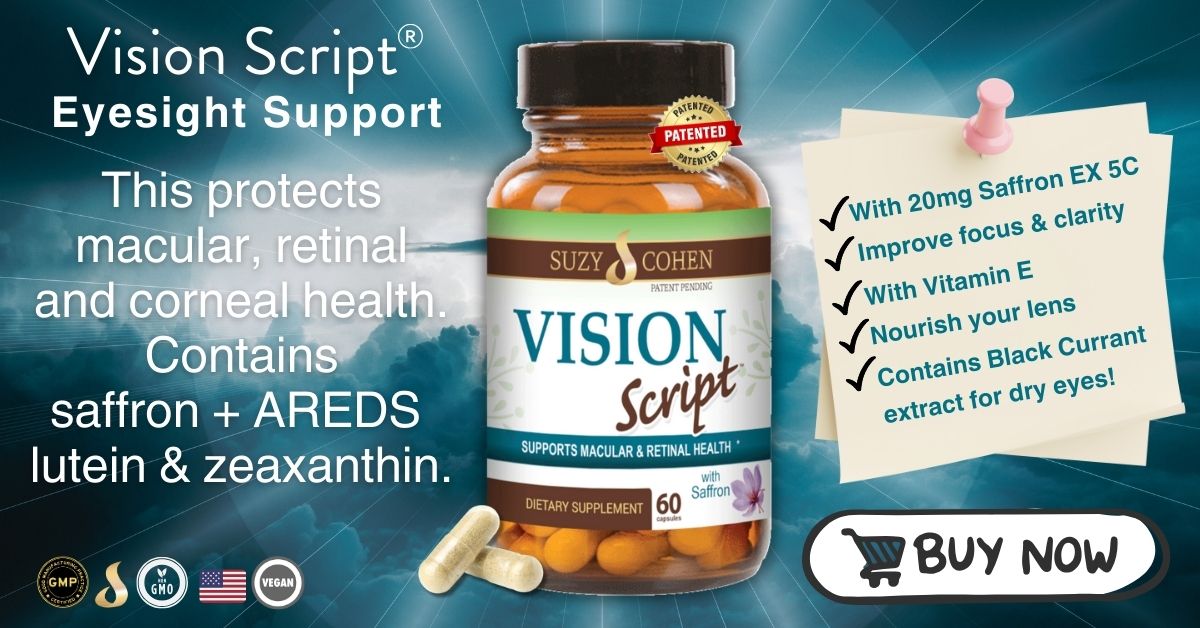
7. Invest in good eye vitamins for good eyesight.
Shamefully, the ingredients known to help are put into the commercial brands that don’t bother to protect the ingredients.
Formulation quality, bioavailability, and proper dosing may matter more than enteric coating but if a product isn’t put into an acid-resistant capsule (or some coating to protect it), it may not provide the ingredients in a stable manner.
What I’m saying is if the formula doesn’t make it to your intestines because it degraded in your harsh stomach acid, it’s not doing you any good. So check your brand and/or upgrade it. If you don’t, then it’s like that saying, you’re “just making expensive urine.”

As for medications to treat eye conditions, those are always an excellent choice so remain on whatever your ophthalmologist has prescribed. For that matter, there are many good moisturizing eye drops available today too, and you can take those to help temporarily relieve dryness. It’s critical however to nourish the inside tissues of your eyes, and the only way to do that is to feel the internal tissues of your body with healthy nutrient-dense foods, while simultaneously reducing exposure to harmful pro-oxidants.
If we take good care of our macula, cornea, and retina now, we’ll have them for a lifetime.

Suzy Cohen, RPh, has been a licensed pharmacist for over 30 years, blending conventional medicine with natural approaches to help people feel better and live healthier. She is the founder of Script Essentials, a supplement company known for targeted, custom-formulated products, some with patented innovations.
With a special focus on thyroid health, functional medicine, and drug-induced nutrient depletion (what she calls “drug muggers”), Suzy is the author of several books including Thyroid Healthy, Drug Muggers, and Diabetes Without Drugs. She also writes a nationally syndicated health column and shares practical, easy-to-understand guidance with readers around the world.