Editor’s Note (Updated 2026):
This article was originally published years ago and I have updated it (Jan 2026) to reflect current research and safety guidance on vitamin A and immune health.
Reader Question:
A friend of mine suggested that I get more vitamin A to help my immune system. I’ve always heard that vitamin D is better. Do you think that’s a good idea?
– P.K., Rockwall, Texas
Answer:
Yes. Vitamin A is widely known for skin and vision support, but its role in immune health is just as important — and often overlooked. Just keep in mind that it’s not the be-all and end-all. Your immune system relies on adequate levels of many vitamins and minerals working together, especially as cold and flu season approaches.
Vitamin A is essential for maintaining the integrity of your skin and mucous membranes, which act as your body’s first line of defense against bacteria, viruses, fungi, and parasites. When you have a runny nose, it feels like your body is betraying you — but mucus production is actually part of a healthy immune response.
Mucous membranes line the nose, throat, intestines, and vagina. Without a thick, protective mucus layer, you’re far more vulnerable to infections. This is one reason vitamin A has long been recognized as critical for immune resilience.

Let’s Talk Research
Research has also explored vitamin A’s role in immune regulation. For example, studies published in the Journal of Immunology have shown that vitamin A can influence inflammatory signaling compounds, including interleukin-17 (IL-17), which plays a role in autoimmune and inflammatory conditions such as rheumatoid arthritis. These findings suggest vitamin A may help modulate immune activity — not simply stimulate it.
Adequate vitamin A is also necessary for healthy DNA and cellular repair, which may help protect against free-radical damage associated with chronic disease. There is ongoing research into vitamin A’s potential role in cancer prevention, though this area remains complex and dose-dependent.
Beyond immunity, vitamin A supports night vision, healthy skin, and normal collagen production. Dermatologists often prescribe Retin-A® (a vitamin A derivative) for acne because of its ability to regulate skin cell turnover. Adequate vitamin A contributes to smoother, firmer skin — collagen is, after all, what keeps skin springy and resilient.
How Much Vitamin A Do You Need?
The general recommended intake for vitamin A is about 5,000 IU daily for adults. Some people may require more — particularly those taking medications or supplements that interfere with fat absorption (such as fat-blocking agents, mineral oil or acid-reducing drugs). Speaking of acid-reducing drugs, take a minute to skim this important article I wrote, Navigating the World of Antacids: From Traditional to 5 Natural Remedies.
That said, it’s important to understand which form of vitamin A you’re getting.
-
Preformed vitamin A (retinol) — found in supplements and animal foods — is fat-soluble and stored in the liver. Excessive amounts over time can accumulate and become toxic, especially during pregnancy. I wrote about something recently that may be important to you in light of new research: Here are 7 Alternatives to Tylenol During Pregnancy
-
Beta-carotene and other carotenoids, found in plant foods, are converted by the body into vitamin A as needed and do not pose the same toxicity risk. When I say toxins, it could mean a lot of different things including food coloring agents. Read this article, The Concerns Behind These 3 Artificial Food Colorings
You can obtain beta-carotene naturally from foods like carrots, red peppers, spinach, tomatoes, and pumpkin. Animal sources such as liver, dairy, meat, and cheese provide preformed vitamin A. Pumpkin pie is especially popular during the fall, and it’s a delicious source of beta carotene. Here’s a recipe for my Bourbon Pumpkin Pie – and the best part is it doesn’t have cloves (I don’t really like cloves and it’s in almost every other recipe you see online).
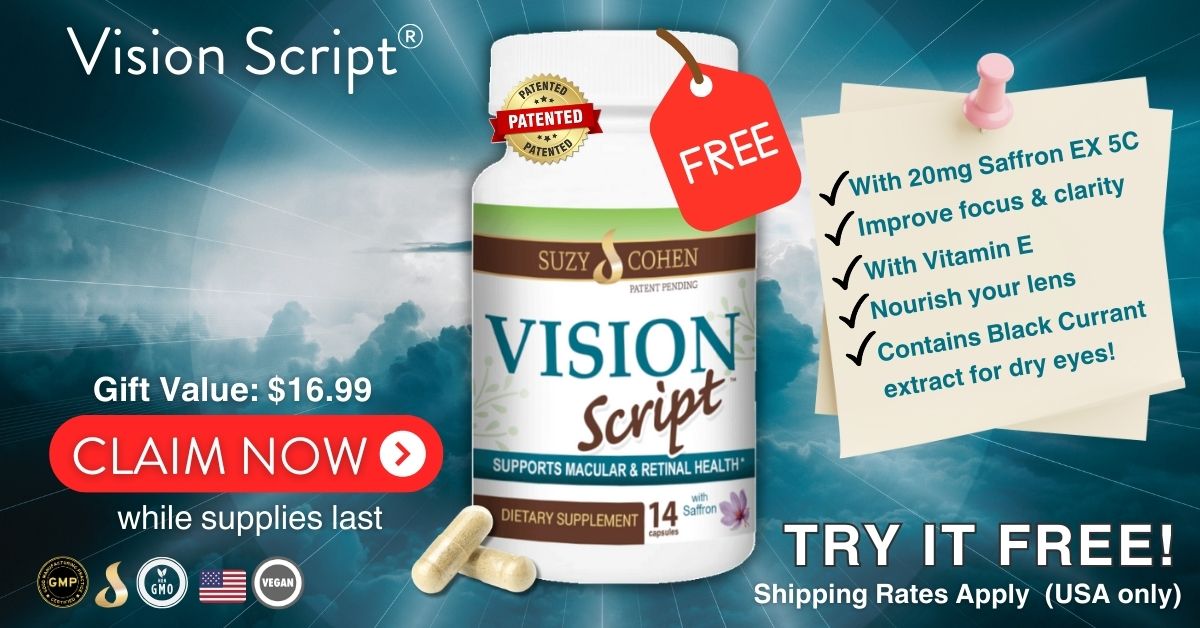
Because individual needs vary — and genetics, medications, and overall health matter — higher doses of preformed vitamin A should be used cautiously and ideally under professional guidance. If you’re looking for a thoughtfully balanced formula that includes preformed vitamin A, zinc, and antioxidant compounds that support both immune barriers and eye health, that’s exactly why I created Vision Script®.*

The Bottom Line
Vitamin A is an important piece of the immune-health puzzle, but it works best as part of a team that includes other nutrients like vitamin D, zinc, and a balanced diet overall. Educating yourself about how vitamins and minerals support your body — and how to get enough without overdoing it — is one of the smartest steps you can take toward long-term health. If immune issues keep cropping up, you may want to take a look at Immune Script®, which I formulated to support the body during a wide range of immune challenges.* It’s patented now.
One classic reference I’ve kept in my personal library over the years is NutriCures written by a good friend of mine, Alice Feinstein, which offers practical insights into nutrient-based support for common health concerns.




Suzy Cohen, RPh, has been a licensed pharmacist for over 30 years, blending conventional medicine with natural approaches to help people feel better and live healthier. She is the founder of Script Essentials, a supplement company known for targeted, custom-formulated products, some with patented innovations.
With a special focus on thyroid health, functional medicine, and drug-induced nutrient depletion (what she calls “drug muggers”), Suzy is the author of several books including Thyroid Healthy, Drug Muggers, and Diabetes Without Drugs. She also writes a nationally syndicated health column and shares practical, easy-to-understand guidance with readers around the world.