Oral thrush is one of those conditions that sneaks up on you. One day your mouth feels normal, and the next there’s a strange coating on your tongue, a sour or metallic taste, or a burning sensation when you eat your favorite foods. Many people don’t recognize thrush when it appears because the symptoms can be surprisingly subtle at first. But understanding what causes oral thrush, how to identify it early, and what you can do at home can make all the difference in recovery.
One thing though – burning sensations associated with thrush are NOT the same as burning mouth syndrome – which you can learn about HERE.
In this article, we’ll take a walk through the reasons thrush develops, which antibiotics commonly trigger it, how to spot the warning signs, and the most reliable treatments—from homemade rinses to prescription antifungals. I’ve counseled thousands of people on this over the years, and the patterns are remarkably consistent. Let’s break it down in a friendly, clinical, easy-to-understand way.
By the way, you may be interested in this article too, Your Tongue Tells a Story: 5 Steps to Address Unusual Changes.
What Exactly Is Oral Thrush?
Oral thrush, medically called oropharyngeal candidiasis, is a fungal overgrowth of Candida species—most often Candida albicans—on the surfaces of the mouth. Candida normally lives peacefully in the body; it’s part of the oral and gut ecosystem. But when the balance of bacteria and fungi shifts, Candida can overgrow and form the creamy white or gray plaques we call thrush.
When the mouth’s environment changes—becoming too dry, too acidic, too inflamed, or too disrupted by medications—yeast takes the opportunity to bloom. Thrush is not a sign of uncleanliness. It is a sign of imbalance.

Why Thrush Happens: The 7 Most Common Triggers
Thrush develops when the mouth’s microbiome is disturbed. Here are the top reasons:
1. Antibiotics
This is the number-one cause I’ve seen professionally. Antibiotics reduce bacterial populations, but they do not kill yeast. Without their bacterial competitors, Candida grows unchecked.
The antibiotics most commonly associated with thrush include:
- Broad-spectrum penicillins such as amoxicillin
- Cephalosporins like cefdinir or cefpodoxime
- Fluoroquinolones such as ciprofloxacin or levofloxacin
- Metronidazole
- Tetracyclines like doxycycline
- Rifamycins such as rifaximin
While any antibiotic can trigger it, those with the widest spectrum tend to wipe out the good bacteria most aggressively.
Thrush usually appears 2–7 days after starting antibiotics, though it can appear after the course is finished. Something other than thrush can happen too (after you are immunocompromised). It’s called lichen planus. Read my article, Oral Lichen Planus vs. Oral Cancer: 5 Visual Differences You Need to Know.

2. Steroids
Inhaled corticosteroids (used for asthma or COPD) are a well-known trigger. Steroids suppress local immune function, allowing yeast to flourish inside the mouth.
A telltale clue: the thrush appears in patches on the tongue and inner cheeks and is more noticeable after inhaler use.
3. Dry Mouth
A dry mouth changes the pH and reduces salivary enzymes that normally keep yeast under control. Dry mouth can result from:
- Medications such as antihistamines, antidepressants, or blood pressure drugs
- Dehydration – In case you take laxatives, you’re at higher risk for dehydration – READ THIS
- Sjögren’s or other autoimmune conditions
4. Immune Disruption
Circumstances such as stress, illness, chemotherapy, immunosuppressive therapies, or chronic inflammation weaken the oral defenses.
5. Dental Appliances
Dentures or retainers that are not thoroughly cleaned can harbor yeast.
6. High Sugar Intake
Candida loves sugar. A sudden increase in sweets, juices, alcohol, or refined carbohydrates can contribute to overgrowth.
7. Recent Illness or Gut Imbalance
Anything that disrupts the gut microbiome often shows up in the mouth. The gut and mouth communicate more than most people imagine.
How to Recognize Oral Thrush Early
Thrush isn’t always dramatic. Sometimes the only sign is a taste change. These are the most common early symptoms:
- A white, cream-colored, or gray film on the tongue
- A sour, metallic, or lemon-like taste
- Burning or tingling in the mouth
- A feeling of dryness even when well-hydrated
- Sensitivity to acidic or spicy foods: Citrus fruits, tomatoes, or vinegar-based dressings. These foods can sting the inflamed tissue and make thrush symptoms feel more pronounced.
- White patches that do not scrape off easily
- Slight redness underneath the coating
- Cracks at the corners of the mouth
- A sensation of “thickness” in the tongue
Many people first notice that their tongue looks different in photos or under bright lighting.
When thrush progresses, the coating becomes thicker and may spread to the cheeks, palate, or throat. Some cases cause pain when swallowing.

Risk Factors Explained
Anyone can get thrush, but your risk increases if you recently took antibiotics – that’s the #1 cause of it in adults. But also here are some other reasons:
- You use steroid inhalers
- You wear dentures
- You have a dry mouth
- You have diabetes (elevated glucose feeds yeast)
- You are under significant stress
- You have nutritional deficiencies such as iron or B12
Thrush does not mean someone is unhealthy overall—it means the mouth has temporarily lost balance.
Thrush in Babies: How Parents Can Recognize It
Thrush in infants is extremely common, especially in the first few months of life. Their immune systems are still maturing, and their oral microbiome hasn’t fully stabilized yet, so yeast can take hold quickly. Many parents first notice thrush during feeding because the baby becomes unusually fussy or pulls away from the breast or bottle. If you look inside the mouth, you may see creamy white patches on the tongue, inner cheeks, or gums that do not wipe off easily. These areas may look like dried milk at first glance, but milk residue wipes off; thrush does not.
Thrush in babies can also go hand in hand with diaper rash because the same yeast—Candida—thrives in warm, moist environments. A bright red diaper rash with small “satellite” dots around the edges often signals yeast involvement. When thrush appears in both areas during the same week, it’s usually not a coincidence.
Other clues parents notice include difficulty latching, reduced appetite, sleep disruptions, irritability, or a baby who suddenly cries during feeds. Some infants show no discomfort at all; the only sign is what you see when you look in the mouth.
The good news is that thrush in babies is very treatable. Pediatricians often recommend a nystatin oral suspension for the mouth and a mild antifungal cream for the diaper area if needed. Cleaning pacifiers, nipples, and bottles daily—and allowing them to fully dry—helps prevent recurrence.
Home Remedies and Natural Approaches
I always tell my readers not to panic even though you want to after looking in the mirror (or tasting the awful ‘taste’ that it causes in your mouth. Thrush is very treatable, and in mild cases, you can begin supporting the mouth right away with simple home remedies that cost nothing! Some people ask about tongue scrapers. Gentle tongue cleaning can help remove surface debris and improve taste, but it should be done cautiously when thrush is present. Scraping too aggressively can irritate already inflamed tissue and make symptoms worse. If you use a tongue scraper, keep it light, once daily at most, and stop if the tongue feels sore or raw. Tongue scraping supports hygiene, but it does not treat thrush.
Aside from gentle tongue scrapers, here are some no-nonsense, safe, evidence-based options:
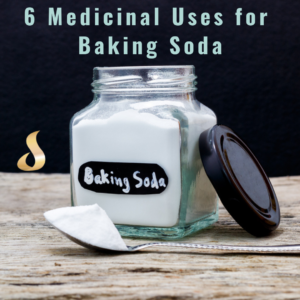
Baking Soda Rinse
This is one of my favorites because it’s effective and cheap. Baking soda reduces acidity and can inhibit Candida growth.
Recipe:
Mix 1/4 teaspoon baking soda into 4 ounces warm water. Stir and rinse for 30 seconds, then spit it out. Use this home remedy 3 times daily.
Saltwater Rinse
Salt is another cheap home remedy. Salt has natural osmotic and cleansing properties. It reduces bacterial load and soothes inflamed tissue.
Recipe:
Combine 1/2 teaspoon sea salt into 6 ounces of warm water. Swish gently and spit. Use this remedy 2–3 times daily.
You can alternate saltwater and baking soda rinses and watch the magic happen over a week. It may be slow-going at first, don’t give up.
Probiotics, especially Saccharomyces boulardii
This is a beneficial yeast that helps restore gut balance and indirectly supports oral microbiome recovery. It does not treat thrush directly, but it helps the body regain equilibrium after antibiotics.
There are oral probiotics too. You can search for “oral probiotics” or “oral hygiene lozenges” or something like that. You can buy these types of supplements without a prescription. You’ll get the most benefit from oral probiotics when you use them as part of a broader recovery plan rather than as a standalone remedy. They work best after antifungal treatment, when the goal is to repopulate the mouth with healthier bacteria and restore balance. Oral probiotics also pair well with gentle home care, including saltwater or baking soda rinses, because these help create a calmer, less acidic environment where beneficial microbes can regain their foothold.
Reduce sugar for several days
Yeast thrives on sugar, alcohol, and sweetened beverages. Temporarily cutting back can accelerate recovery.
Clean the oral environment
Replace toothbrushes after 48 hours of treatment, rinse dental appliances thoroughly, and avoid alcohol mouthwashes, which can worsen irritation.
Gentian Violet (old-fashioned, but still effective)
Gentian violet is a powerful antifungal dye that can be used sparingly for 1–3 days. This remedy has been around for more than a century. However, I must caution that it stains everything and can irritate sensitive mucosa. Some people should avoid it, such as those with open lesions, oral lichen planus, or significant mucosal sensitivity.
If you’re doctor says it’s okay for you, make sure the solution you get is safe for oral/mucosal use.
- Use only a 0.5–1% solution (nothing stronger than that)
- Apply with a cotton swab in a very thin layer
- Avoid eating or drinking anything for 30 minutes
- Use once daily for one, two or perhaps even three days (no more)
- Stop if stinging or irritation occurs
Gentian violet is NOT my first-line suggestion, but it can be helpful when used carefully.
6. When Home Remedies Aren’t Enough: Prescription Options
A medical evaluation is always appropriate when thrush is moderate to severe, painful, recurring, or affecting someone with diabetes or immune concerns.
Here are the top prescription treatments:
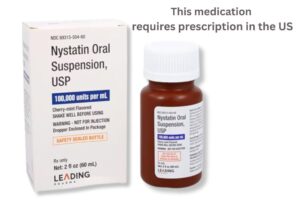
1. Nystatin Oral Suspension
This is the safest and most commonly prescribed option. It stays in the mouth and gut without being absorbed into the bloodstream. It would be my choice for a person if you could ask your physician for a prescription. It’s pretty cheap too, compared to other drugs.
Dose: 5 mL swished for 1–2 minutes, then swallowed, four times daily for 7–10 days.
2. Clotrimazole Troches
These are medicated lozenges that dissolve slowly in the mouth, delivering an antifungal dose directly to the affected tissues. They are prescription-only in the United States.
Dose: Typically 10 mg dissolved in the mouth five times daily for 7–14 days.
3. Fluconazole Tablets
This is an oral antifungal taken once daily. It is very effective but works through systemic absorption, so it is usually reserved for severe, larger, or more stubborn cases.
Dose: Often 100–200 mg daily for 7–14 days, depending on severity.
Doctors choose one based on the patient’s medical history, severity of symptoms, and medication list.
Preventing It From Happening Again + When to See a Doctor
Once someone experiences thrush, they usually tell me the same thing, they never want it again. I’m not speaking from personal experience since I’ve never had it myself, but I’ve watched friends go through it, and I’ve seen it show up in a few of my friends’ grandchildren. It’s uncomfortable enough that prevention really matters. Simple habits can go a long way toward reducing recurrence, including rinsing the mouth after using a steroid inhaler, brushing gently twice daily and not skipping the tongue, staying well hydrated, and keeping blood sugar well controlled. It also helps to replenish gut flora with probiotics after antibiotics, replace toothbrushes regularly, and avoid frequent sugar exposure. Together, these small steps help keep the oral environment more resilient and less welcoming to yeast.
Oral thrush can feel unsettling when you first notice it, but it is one of the most manageable oral conditions. Whether it appears after antibiotics, stress, illness, or a shift in pH, the key is early recognition and a balanced approach to treatment. With gentle home remedies, smart dietary choices, probiotics to restore flora, and prescription medications when needed, most people recover quickly.
I always remind readers that their body is constantly trying to return to equilibrium. Thrush is simply a sign that the mouth’s ecosystem needs a little support—and once you understand the causes, symptoms, and treatments, you can respond confidently and effectively.
If you’ve had thrush before, or you’re noticing new changes in your oral health after medications, don’t ignore those early clues. A little attention now can spare you a lot of discomfort later.

Suzy Cohen, RPh, has been a licensed pharmacist for over 30 years, blending conventional medicine with natural approaches to help people feel better and live healthier. She is the founder of Script Essentials, a supplement company known for targeted, custom-formulated products, some with patented innovations.
With a special focus on thyroid health, functional medicine, and drug-induced nutrient depletion (what she calls “drug muggers”), Suzy is the author of several books including Thyroid Healthy, Drug Muggers, and Diabetes Without Drugs. She also writes a nationally syndicated health column and shares practical, easy-to-understand guidance with readers around the world.