Nutrient deficiencies aren’t something that you have to wait for a lab test for:
Your heart suddenly flutters. You feel unusually tired walking upstairs. Maybe you’re a little lightheaded or your legs feel weak.
Naturally, your mind goes straight to your heart—and sometimes that’s exactly where it should go.
But there are also nutritional deficiencies that can produce surprisingly similar symptoms.
As a pharmacist, I think this distinction is important because I don’t want you self-diagnosing your palpitations as a “magnesium deficiency” and taking three capsules while ignoring an abnormal heart rhythm! New or persistent palpitations,  chest pain, fainting, significant shortness of breath or a rapid or irregular heartbeat deserve medical attention. Once serious causes have been evaluated, however, nutrition deserves a seat at the table.
Your heart is an electrical organ, a muscular organ and an extraordinarily energy-hungry organ. It relies upon vitamins and minerals every second of every day. Here are seven nutrients worth knowing about.
1. Magnesium: The Electrical Mineral
If I could nominate one mineral for the title of “Most Underappreciated,” magnesium would be in the running. Caffeine can modestly increase the amount of magnesium you lose (think drug mugger), but we’re not sure if that means every coffee drinker needs a daily supplement. It’s something to think about and maybe test for.
Magnesium participates in hundreds of enzyme reactions and helps regulate muscle and nerve function, blood pressure, glucose metabolism and energy production. It’s also involved in moving calcium and potassium across cell membranes—a process essential to normal nerve impulses, muscle contraction and heart rhythm.
When magnesium becomes significantly depleted, symptoms may include fatigue, weakness, muscle cramps, tingling and abnormal heart rhythms. IV magnesium may be given in the Emergency Room when magnesium is low or for certain dangerous arrhythmias, particularly one called torsades de pointes.
Who’s vulnerable? Older adults, people with gastrointestinal disorders or diabetes, and people taking certain medications. Diuretics can alter magnesium losses, and long-term use of proton pump inhibitors for acid reflux can sometimes contribute to low magnesium levels. Some laxatives are drug muggers too. Look your medication up on my other database HERE.
Food sources include pumpkin seeds, almonds, cashews, beans, spinach and other leafy greens. Be careful with too many goitregens though: The Case Against Kale
I formulate a chelated magnesium supplement myself, but that doesn’t mean everyone with a flutter needs magnesium. It means magnesium is an essential nutrient worth maintaining in adequate amounts.*
One other caveat: if you have significant kidney disease, don’t casually supplement magnesium because impaired kidneys may have difficulty clearing excess amounts.
2. Vitamin B12: When “Heart Symptoms” Start in the Blood
This one surprises people.
Vitamin B12 deficiency can cause megaloblastic anemia, meaning your blood isn’t functioning normally to transport oxygen. Symptoms can include fatigue, weakness, pale skin and even heart palpitations.
B12 deficiency can also cause numbness, tingling, balance problems and cognitive changes—and some neurological symptoms can occur even without obvious anemia. This becomes increasingly relevant with age because absorbing B12 from food requires stomach acid and intrinsic factor. Certain medications can complicate matters too. Long-term metformin and acid-suppressing drugs are two examples associated with B12 deficiency. 
That’s why B12 is one nutrient I think deserves more attention in older adults. If supplementation is appropriate, I personally favor biologically active forms. My own Mito B Complex contains both methylcobalamin and adenosylcobalamin forms of B12.*
But before you buy anything—including mine—consider testing if deficiency is suspected. A B12 level is useful, and sometimes methylmalonic acid (MMA) provides additional information when the situation isn’t clear.
3. Folate: B12’s Partner in Red Blood Cell Production
Folate is vitamin B9, and inadequate folate can also produce megaloblastic anemia.
The resulting symptoms can include weakness, fatigue, difficulty concentrating, headache, shortness of breath and palpitations.
That’s quite a list for something people tend to associate primarily with pregnancy! You’ll find folate naturally in leafy greens, beans, asparagus, avocado, Brussels sprouts and other foods. Supplemental forms include folic acid and 5-MTHF, also called methylfolate.
My Mito B Complex uses 5-MTHF rather than synthetic folic acid, along with the two forms of B12 I just mentioned.*
One important pharmacist pearl: don’t assume that taking a large amount of folate fixes anemia. B12 deficiency needs to be considered because folate can correct some blood abnormalities while a B12-related neurological problem continues underneath.
That’s why testing beats guessing. 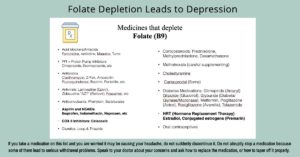
4. Thiamine: Vitamin B1 and Your Cellular Power Supply
Thiamine, or vitamin B1, helps your cells turn food into usable energy.
Your heart has enormous energy requirements, which makes B1 particularly interesting.
Severe thiamine deficiency is historically associated with beriberi, and in extreme cases it can affect cardiovascular function and cause edema and heart failure. Fortunately, that degree of deficiency is uncommon in the United States.
But here’s something more relevant to today’s reader: poor thiamine status has been reported surprisingly often in studies of people with heart failure. Possible contributors include older age, poor dietary intake, other illnesses, hospitalization and treatment with diuretics.
That does not mean thiamine supplements treat heart failure.
It means nutritional status matters, particularly in older people taking multiple medications.
Foods rich in thiamine include whole grains, pork, legumes, seeds and fortified foods.
The B1 in my Mito B Complex is provided as benfotiamine, a supplemental derivative of thiamine.* Again, that’s a nutritional support conversation—not a substitute for heart medication.
And a little heads-up about my formula: it also contains a small amount of niacin. A sensitive person can occasionally experience a temporary warm or flushed sensation after taking it. That’s usually a niacin flush rather than an allergy, and taking it with food may help. If a reaction is severe, persistent, or involves swelling or difficulty breathing, that’s different—stop taking it and seek appropriate medical care.
5. Iron: When Your Heart Has to Compensate for Low Oxygen Delivery
Iron deficiency deserves special attention because people sometimes interpret its symptoms as simply “getting older.”
Iron is needed to make hemoglobin, which carries oxygen around your body.
When iron deficiency progresses to anemia, people may experience exhaustion, weakness, poor exercise tolerance and difficulty concentrating. Walking upstairs may suddenly feel like you’ve climbed a mountain. 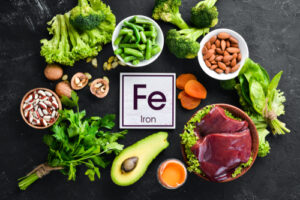
The heart may also beat faster as the body tries to compensate for reduced oxygen-carrying capacity.
Iron (abbreviated as Fe) deficiency is particularly worth considering with blood loss, gastrointestinal problems, restricted diets or frequent blood donation.
And here’s where I become the pharmacist waving both hands:
Please don’t take iron just because you’re tired.
Too much iron isn’t benign.
Ask about a CBC, ferritin, iron, TIBC/transferrin saturation and whatever additional testing your practitioner considers appropriate. Find out whether you’re deficient—and if so, find out why.
I don’t sell an iron supplement, by the way. Sometimes the best supplement recommendation is don’t supplement until you know.
6. Potassium: Important Enough That I Don’t Want You Experimenting With It
Potassium and magnesium work closely together in cardiac electrical activity.
Both too little and too much potassium can cause dangerous rhythm disturbances, which is exactly why potassium isn’t a nutrient I recommend casually supplementing based on symptoms.
Certain diuretics can lower potassium. Other medications—including ACE inhibitors, ARBs and potassium-sparing drugs such as spironolactone—can raise it.
Kidney function changes the equation dramatically.
So if you develop new weakness, palpitations or rhythm changes, particularly after a medication change, potassium is something to measure, not guess about.
You can certainly obtain potassium naturally from foods such as potatoes, beans, lentils, avocado, yogurt, tomatoes and leafy vegetables unless you’ve been instructed to restrict it.
But please don’t play home chemist with high-dose potassium.
Your heart prefers precision.


7. Vitamin D: Not a Palpitation Cure, but Still Worth Knowing
Vitamin D belongs on this list for a slightly different reason.
I don’t want to tell you that low vitamin D is the explanation for your fluttering heart because the evidence doesn’t support that leap.
Vitamin D deficiency is much more clearly associated with problems involving bone and muscle, and low status can coexist with weakness and reduced physical function. Observational research has also found associations between low vitamin D levels and cardiovascular disease, but large clinical trials have not established that taking vitamin D supplements prevents cardiovascular disease. That’s an important distinction.
I formulate vitamin D because maintaining an adequate vitamin D status matters for normal physiology, particularly bone and muscle health.* But I would never want someone taking my Vitamin D because they think it’s treating AFib or preventing a heart attack. 
High doses of vitamin D can raise blood calcium and urinary calcium, potentially increasing the risk of kidney stones in susceptible people, so more is not always better. A blood test for 25-hydroxyvitamin D can help you and your practitioner determine your status and whether supplementation makes sense.
One More Nutrient I Can’t Resist Mentioning: CoQ10
Technically this makes eight, but who’s counting?
Coenzyme Q10 isn’t a vitamin deficiency in the traditional sense, but it’s fascinating because your mitochondria use CoQ10 in cellular energy production—and cardiac muscle contains a tremendous number of mitochondria.
There’s another reason many of my readers have heard about it: statins interfere with the mevalonate pathway, which is involved in endogenous CoQ10 production.
Research has shown that statin therapy can lower circulating CoQ10 levels. Whether taking supplemental CoQ10 reliably prevents or treats statin-associated muscle symptoms remains debated, so I wouldn’t present ubiquinol as an antidote to statins. But if you’re taking a statin and experiencing muscle symptoms, it’s a reasonable topic to discuss with your physician or pharmacist.
I personally prefer the reduced form, ubiquinol, particularly for older adults.
Your Symptoms Are Clues about Nutrient Deficiencies, Not Diagnoses
Here’s what I really want you to remember.
A fluttering heart doesn’t automatically mean magnesium deficiency. Fatigue doesn’t automatically mean low B12.
Weak legs don’t automatically mean low vitamin D.
And breathlessness doesn’t automatically mean iron deficiency.
Symptoms are clues.
If you’re experiencing unexplained fatigue, weakness, exercise intolerance, palpitations or shortness of breath, a thoughtful evaluation might include a CBC and appropriate testing for iron, B12, folate, electrolytes, magnesium, thyroid function and other factors based upon your medical history. And sometimes the answer really is your heart. Atrial fibrillation (AFib) becomes more common with age. If you’d like to read more on the topic of AFib READ THIS ARTICLE.
Heart failure can initially present with subtle symptoms such as fatigue, breathlessness, swelling or reduced exercise tolerance. That’s why new symptoms shouldn’t be written off as “just a vitamin thing.”
I love nutritional medicine. I’ve spent much of my career talking about nutrients that medications can deplete and helping people understand the biochemical side of their health. But natural medicine works best when we don’t ask it to pretend to be emergency medicine. Feed your heart well. Correct genuine deficiencies. Review medications that might alter nutrient status. And if your heart starts sending you unfamiliar signals, listen to it.
A lot of times your body whispers before it shouts.
Related Articles
Irregular Heartbeat? It Could Be AFib (Atrial Fibrillation)
Replenishing 7 Depleted Nutrients from Blood Pressure Medications
What to Take if You Take Statins: Restoring 8 Important Nutrients
How Your Gut Flora Contributes to Anxiety and 6 Corrective Steps
3 Ways Biotin Impacts Your Thyroid Levels
Could Iron Deficiency Anemia Be Draining You? 8 Critical Tests to Know

Suzy Cohen, RPh, has been a licensed pharmacist for over 30 years, blending conventional medicine with natural approaches to help people feel better and live healthier. She is the founder of Script Essentials, a supplement company known for targeted, custom-formulated products, some with patented innovations.
With a special focus on thyroid health, functional medicine, and drug-induced nutrient depletion (what she calls “drug muggers”), Suzy is the author of several books including Thyroid Healthy, Drug Muggers, and Diabetes Without Drugs. She also writes a nationally syndicated health column and shares practical, easy-to-understand guidance with readers around the world.