Panic attacks – they come out of nowhere.
One minute you’re folding laundry, sitting in your cubicle working, or driving to the grocery store… and the next, your heart is pounding so hard you can feel it in your throat. Your chest tightens. Your hands tingle. The room feels strange. You suddenly become hyperaware of your breathing. And then comes the terrifying thought:
Oh no. Something is very wrong – I need help!
Many people end up in the ER convinced they’re having a heart attack, a stroke, or some kind of emergency. I can’t tell you how many readers over the years have told me, “I really thought I was gonna die.”
And here’s the strange part, medically, many of them were completely fine, environmentally speaking. Everything around them was okay. That doesn’t mean the experience was “all in their head.” Panic attacks are profoundly physical. They’re definitely not in your head. Your body is absolutely reacting to something. Your nervous system is just sounding the alarms at the wrong time.
No external threat.
No actual emergency.
Just a brain and body that temporarily lost the ability to distinguish a stressful incident from authentic danger.
The good news? Panic attacks are treatable. And in many cases, there are meaningful natural strategies that help calm the nervous system, rebalance brain chemistry, and reduce the frequency and intensity of attacks over time.

What Happens During Panic Attacks?
It’s essentially a massive misfire of your fight-or-flight response. You go into sympathetic overdrive. It’s like you had a near-miss accident (you know that feeling, right?), and can’t settle down… and things actually spiral.
Your brain’s alarm center which is called the amygdala suddenly perceives danger that isn’t necessarily there, and triggers a rapid surge of stress chemicals including adrenaline, cortisol, and norepinephrine.
With that, and within seconds alot (or all of this) happens! Maybe you relate, maybe not, but either way it’s good for you to know these symptoms in case someone around you goes down with a panic attack:
- The heart beats way faster (speaking of, read this blog on AFIB)
- breathing changes
- muscles tense
- blood pressure rises
- digestion slows
- pupils dilate
- sweating
This response is brilliantly designed if you’re being chased by a grizzly.
Less helpful when you’re standing in line at Costco.
The physical sensations themselves then become frightening, which creates a feedback loop in the person’s mind:
“Why is my heart racing?”
“Why can’t I breathe normally?”
“What if I pass out?”
“This is really embarrassing because people are staring at me!”
“What if this is serious?”
And that fear creates even more adrenaline. This is one reason panic attacks tend to escalate so quickly and embarrass you at the most inopportune moment. I love chemistry, and have a degree in it. Let’s keep it simple but get into what’s going on so that we can walk through how to actually help yourself.

The Brain Chemistry Behind Panic
Panic attacks are not simply “overreacting.” You can’t mentally talk yourself off the ledge in the moment it’s happening. Why? Because there’s real neurochemistry involved.
Low GABA
GABA is your brain’s primary calming neurotransmitter. Think of it as the nervous system’s brake pedal. When GABA activity is low, the brain becomes more excitable, reactive, and hyper-alert. And FYI, GABA is always low in the daytime. It’s your sleep hormone, so why would it be high in the daylight? It wouldn’t. So the baseline is low to begin with, in comes a panic attack, and GABA drops through the floor!
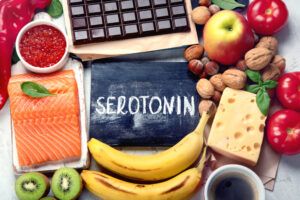
Low Serotonin
Excess Glutamate
Glutamate is an excitatory neurotransmitter which sits on a see-saw with GABA. When one is high, the other is low.
Too much glutamate can create a “brain stuck in overdrive” feeling. Researchers now believe glutamate dysregulation may play a larger role in anxiety disorders than previously understood.
Some people are sensitive to large amounts of free glutamate, a naturally occurring excitatory compound found in foods like soy sauce, Parmesan cheese, mushrooms, bone broth, aged foods, and some Chinese food dishes that contain MSG (monosodium glutamate).
While MSG is promoted as safe for most people, sensitive folks sometimes report feeling jittery, flushed, wired, anxious, or even panic attacks after consuming it. This may be more noticeable in people with migraines, anxiety disorders, sleep deprivation, hormonal fluctuations, or an already overstimulated nervous system.
By the way, MSG is a big migrenade (which is my word for something that triggers a migraine or headaches). Another migrenade for some people is perfume, like the kind you wear personally, or scented candles, lotions or even air freshener spray! You may be interested in my blog, Get Control of Headaches Once and For All.
Dysregulated Norepinephrine
This neurotransmitter controls alertness and arousal. When it’s excessive, people may feel wired, hypervigilant, shaky, or unable to relax. Some people describe it as if their body feels like it’s bracing for something bad all the time.
And people with a COMT gene SNP have another disadvantage and may be more prone to panic attacks – generally speaking. Instead of clearing out quickly, those “fight-or-flight” signals tend to linger even moreso than the rest of the population. Probably a good time to remind you that if you have a COMT genetic variation, you probably should avoid or minimize the use of caffeine (esp caffiene with fasting!), decongestants, stimulant meds or pre-workout fat burners. You already know why.
That stacking effect is huge clinically. By the way, if you have a COMT SNP, you may want to read this article about MELATONIN.
Let’s get back to panic attacks now.
They Start Long Before the Actual Attack
This is important because many people think panic attacks are “random.” Usually, they’re not. Often, the nervous system has been simmering for weeks or months underneath the surface. Eventually, the nervous system becomes sensitized.
Think of it like this: Your brain’s smoke detector becomes so sensitive that even burnt toast sets it off!
Common contributors include:
- chronic stress
- sleep deprivation
- hormonal fluctuations
- blood sugar swings – did you know that fluctuations can increase risk of SEIZURES – a lot of people don’t realize that!
- stimulant overload
- gut dysfunction – read this next: How Laxatives and Stool Softeners Steal 6 Electrolytes And Trigger Heart Arrhythmias
- unresolved trauma
- excessive caffeine
- burnout
- overstimulation from phones and media
 The “Fear of Fear” Cycle
One of the hardest parts of panic disorder is that people often begin fearing the next attack. They scan their bodies constantly:
- “Was that a skipped heartbeat?”
- “Why do I feel warm?”
- “Am I dizzy?”
- “What if it happens again while I’m driving?”
That hypervigilance keeps the nervous system activated and makes you more prone to panic attacks. Then you start avoiding places like highways, or airplanes, maybe crowded malls, parades or other crowded areas, restaurants… elevators, even going outside! Not because those places are dangerous… but because the fear of becoming trapped is overwhelming, or feeling like you might have another panic attack there worries you.
This is how panic slowly starts shrinking someone’s world. I can’t let that happen to you. And the good news is it doesn’t have to. That cycle can absolutely be interrupted.
A Few Medications That Can Trigger or Worsen Panic
Not everyone reacts the same way to medications, but certain drugs can absolutely contribute to panic symptoms in susceptible people. These include:
- stimulant ADHD medications
- prednisone and corticosteroids – if you take these meds read THIS BLOG to see what they do to your tongue
- pseudoephedrine-containing cold medicines
- excessive thyroid medication – Take Thyroid Medicine? Don’t do These 5 Things!
- energy supplements and fat burners
- high-dose caffeine drinks/supplements
- cannabis (especially high-THC strains, not CBD)
- hormones (see below for more on this topic because it’s a big one)
Ironically, even SSRIs — which are commonly prescribed for panic disorder — may temporarily worsen anxiety during the first few weeks of treatment.
That startup effect of SSRIs is real, and patients deserve to be warned about it. I’ve also seen people become unexpectedly anxious from things they never suspected:
- pre-workouts
- dehydration
- too much caffeine for their body chemistry
- alcohol (it’s not always a CNS depressant)
- doses of thyroid medicine that are too high
- fasting too long for your body chemistry
- blood sugar crashes
- excessive B-vitamins (esp ones that are not mitochondria-friendly)
- doses of stimulant medicine for ADHD that are too high
Sometimes it’s not just one thing either. It’s the stacking effect of many little stressors like being dehydrated, working in the heat (like say you’re a professional mover or a construction worker), and then downing a venti iced coffee afterwards. It can mess with your blood sugar, and body chemistry … and then you get more anxious about little things.
Hormones & Oral Contraceptives Can Trigger or Worsen Panic
There is a strong connection between hormonal birth control and panic attacks in some people. Not everyone reacts this way, but for sensitive individuals, the link can be very real. A few possible mechanisms why it happens (in case you want the info):
- Hormones affect neurotransmitters. Estrogen and progesterone influence serotonin, GABA, dopamine, and norepinephrine — the same brain chemicals involved in anxiety and panic.
- Synthetic progesterins (as opposed to natural bioidentical progesterone) can feel stimulating in some women. Certain formulations may worsen anxiety, inner restlessness, irritability, or that “wired but shaky” feeling.
- Estrogen fluctuations matter. Some women feel calmer on stable estrogen, while others become more anxious if estrogen drops suddenly (like during placebo pills, postpartum, perimenopause, or stopping the pill).
- Birth control can deplete nutrients. Oral contraceptives are associated with lower levels of magnesium, B vitamins (esp B6, folate), zinc, and sometimes CoQ10 –> all nutrients tied to nervous system stability. Magnesium depletion alone can make people feel more twitchy, reactive, or panic-prone!
- Cortisol and stress response may shift. Some women describe feeling emotionally “flat,” others more emotionally reactive.
I’ve also noticed clinically that women who are already sensitive –> migraine sufferers, people with PMDD, thyroid issues, COMT sensitivity, past trauma, stimulant sensitivity, or a strong family history of anxiety — sometimes react more intensely to hormonal shifts. Also, women who take drug muggers of B vitamins (for example, antacids) will also be more prone.
And importantly, panic attacks that occur from hormones can feel incredibly physical! Again, the racing heart, derealization, chest discomfort, air hunger, trembling, etc. Many women end up in the ER absolutely convinced they’re having a heart attack. 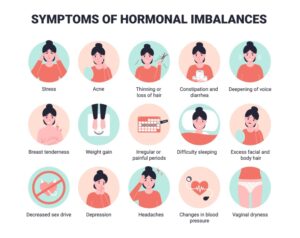
6 Natural Ways to Calm Panic Attacks
1. Change Your Breathing Pattern
I know… being told to “just breathe” during a panic attack can feel almost insulting. But breathing techniques work for a real physiological reason. During panic, people often hyperventilate without realizing it. Carbon dioxide levels drop, blood vessels constrict, dizziness worsens, and symptoms intensify.
The trick is not deeper breathing. It’s slower breathing. Specifically:
- inhale gently for 4 counts
- hold briefly (like for 4 counts)
- exhale slowly for 6–8 counts
The long exhale stimulates the vagus nerve and activates the parasympathetic nervous system — your body’s built-in calming mechanism. Practice this before you need it. That matters.
2. Magnesium: The Nervous System Mineral
Stress burns through magnesium like crazy. And unfortunately, magnesium deficiency makes the nervous system even more reactive. Panic attacks could be as simple as having a chronic magnesium deficiency (which can easily be tested for with a blood test). Serum mag is inferior to RBC magnesium if you do test. Remember that.
CHELATED MAGNESIUM helps regulate:
- GABA activity*
- muscle tension*
- sleep quality*
- stress hormone balance*
- nerve signaling*
For anxiety and panic attacks, I typically prefer magnesium glycinate or threonate (because the others don’t really leave the gut!) Both of these tend to be calming without upsetting digestion too.
Within days to weeks of many people taking these, they may (if lucky) notice some of the following: Better heart rhythm, more restful sleep, reduced muscle tension and feeling more ‘chill’ when it comes to stress. Not overnight miracles, don’t get me wrong, but very meaningful support.
3. L-Theanine: Calm Without Sedation
L-theanine is an amino acid naturally found in green tea.
I like it because it promotes what researchers call “relaxed alertness.” People often describe it as:
“My brain feels quieter.”
It appears to support GABA (your sleep hormone), serotonin and alpha brain waves – all of which are calming. A randomized controlled trial published in Nutrients in 2019 found that L-theanine reduced stress-related symptoms and improved anxiety measures in healthy adults. I especially like this option for people who feel mentally overstimulated all the time. The typical dose ranges from 100 – 400mg – ask your doctor what’s right for you before adding this or any supplement you read about here.

4. Stabilize Blood Sugar
This is one of the most overlooked panic triggers I see.
When blood sugar drops, cortisol and adrenaline rise to compensate.
To a sensitized nervous system, that surge can feel exactly like panic.
I’ve seen people mistake hypoglycemia for panic attacks more times than I can count.
If you:
- skip meals
- drink coffee on an empty stomach
- eat mostly carbs
- go long hours without protein
…your nervous system may be riding a biochemical roller coaster.
Simple changes help:
- eat protein regularly
- include healthy fats
- avoid getting overly hungry
- reduce sugar spikes
Sometimes the answer is surprisingly basic.
5. Move Your Body — Gently at First
Exercise is one of the most powerful natural anti-anxiety therapies we have.
It helps:
- burn off stress hormones
- improve serotonin signaling
- regulate cortisol
- increase resilience to physical sensations
But here’s something important, intense exercise can temporarily (and ironically!) trigger panic in some people because the sensations mimic an attack. These include a rapid heart rate, heavy breathing and sweating. So if you’re in a high-panic phase, start gently.
Walking is underrated medicine. You do not need boot camp energy right now. You need nervous-system safety.
6. Therapy That Rewires the Fear Response
Cognitive Behavioral Therapy (CBT), especially with something called interoceptive exposure, has excellent evidence behind it for panic disorder. This approach helps people stop catastrophizing normal body sensations. Instead of thinking, “My heart is racing so I’m in danger.”
Your brain slowly learns it’s more like this: “My nervous system is activated, but I’m okay.”
That’s a massive shift. Acceptance and Commitment Therapy (ACT) can also be incredibly helpful because it teaches people to stop fighting anxiety every second of the day. Ironically, the less terrified you become of experiencing panic itself, the weaker the panic feels.
BONUS: Don’t Ignore Sleep and Lifestyle Factors – (this stuff plays a huge role)
Honestly, if someone told me they were sleeping 4 or 5 hours a night, and maybe drinking tons of caffeine? What if you knew they were ‘doom’ scrolling until 1am, or skipping some meals through the day? Living under constant stress. I know people like this, it’s hard for them. Would it surprise you to learn they’re more prone to panic attacks? Of course not, their mind and body are unsteady. The ground shifts under their feet every day, every hour, sometimes even more frequently than that! Many people like this turn to drugs or alcohol to take the edge off that makes things much, MUCH worse.
Sleep deprivation dramatically increases amygdala reactivity. One poor night of sleep can make the brain significantly more emotionally reactive the next day. Protecting sleep is not a luxury for panic-prone people. It’s treatment.
Your Vagus Nerve Matters More Than You Think
The vagus nerve helps regulate the parasympathetic nervous system — the calming side of the nervous system.
This nerve travels down your whole entire body. From your brainstem down through the neck, into the chest and abdomen, connecting to major organs including the heart, lungs, stomach and down into your intestines. It also connects parts of the immune and autonomic nervous systems.
This is one big nerve. A lot can go wrong with it. Stimulating is a good idea if you’re having a panic attack. Doing that slows things down, it takes you out of sympathetic (fight/flight mode) into parasympathetic (rest/digest mode).
You can stimulate it naturally through:
- humming
- singing (sing even if you don’t think you sound that good, it’s okay, no one’s judging)
- slow breathing (sometimes covering one nostril and breathing in, then reversing nostrils and breathing out helps sync your brain hemispheres)
- gargling
- cold water to the face, or a cool shower
- social connection
That last one matters a lot. Safe human connection is profoundly regulating to the nervous system. Isolation tends to amplify fear. How often have you ever been alone with some scary thought or situation and worried yourself sick, only to feel relieved after sharing it with someone, or having a trusted friend or loved one nearby. There is a difference.
When to Seek Help for Panic Attacks
Please don’t try to “tough this out” alone if your symptoms are severe or you feel hopeless. Also, if these panic attacks get frequent or you find yourself dependent on substances or alcohol just to cope. These are clues that tell you, you need to get a proper medical evaluation. The idea is not to medicate you for delusions, I promise! It’s just to rule out thyroid disease, heart problems, metabolic causes or even new-onset neurologic/brain issues. This is particularly important if panic attacks are brand new to you. Never assume it’s nothing serious. Check to be sure.
In Closing
Panic attacks feel terrifying because your body genuinely believes danger is present. But panic is not proof that you’re broken. Your nervous system may simply be overwhelmed, overstimulated, depleted, hormonally stressed, sleep-deprived, inflamed, or stuck in a chronic state of hypervigilance. And let’s face it, that CAN change.
Your brain is adaptable. So is your nervous system, it’s trainable.
Healing is possible.
And sometimes the first step is simply understanding: This is panic. Not danger. That realization alone can begin taking away some of panic’s power.
Related Articles
When Noise Triggers Rage: Exploring the Mysteries of Misophonia
What If You Think Something Awful? Understanding Intrusive Thoughts
Unraveling the Mystery: 5 Psychosomatic Disorders vs. Hard-to-Diagnose Illnesses
5 Key Neurotransmitters and 8 Solutions for Anxiety: Cure the Worry!
How Your Mental Health is Affected by Homocysteine, Serotonin and Interleukin-8

Suzy Cohen, RPh, has been a licensed pharmacist for over 30 years, blending conventional medicine with natural approaches to help people feel better and live healthier. She is the founder of Script Essentials, a supplement company known for targeted, custom-formulated products, some with patented innovations.
With a special focus on thyroid health, functional medicine, and drug-induced nutrient depletion (what she calls “drug muggers”), Suzy is the author of several books including Thyroid Healthy, Drug Muggers, and Diabetes Without Drugs. She also writes a nationally syndicated health column and shares practical, easy-to-understand guidance with readers around the world.