Have you ever caught yourself doing something… and thought:
Why am I doing this again?
Picking at your skin.
Biting your nails.
Leg bouncing or toe tapping.
Clicking a pen over and over.
Twirling your hair, biting the inside of your cheek, pulling at your eyelashes, cracking knuckles constantly, or fidgeting with objects without even realizing how often you do it. And even when you know you should stop… you don’t.
Let’s talk about that — because this isn’t just a “bad habit.” There’s a name for these behaviors in clinical medicine. They fall under what’s called body-focused repetitive behaviors, or BFRBs. That includes nail biting, skin picking (excoriation), lip or cheek biting, and even hair pulling in more severe cases.
But labels don’t really help people. Understanding does.
What I want you to know is this: these behaviors are not about willpower. They are about regulation — specifically, how your brain and nervous system are trying to find balance.
 If you go to a psychiatrist about this problem, some will probably tell you that you have some form of anxiety. It’s a nervous habit medically termed ONYCHOPHAGIA.
They may prescribe a benzodiazepine to help with that. I do not recommend this for nail biting, skin picking or face touching. It’s like trying to kill a fly with a shotgun. But they’re quick to prescribe some of these to people. So read my article first before starting a drug like that: Benzodiazepines: Dangers and Lies
What Your Brain Is Trying to Do
Most people assume skin picking and nail biting is anxiety.
Sometimes it is, it’s definitely a nervous habit.
But just as often, these behaviors show up when people are bored, trying to focus, watching television, reading, or even driving. That tells us something important. This is not purely emotional. It’s neurological.
There is a dopamine component here — the same neurotransmitter involved in motivation, reward, and focus. There’s also a sensory component. The act of touching, picking, or biting can be grounding. It gives the brain a small, immediate shift in how you feel.
Simply put, your brain is getting something from it.
Not because you lack discipline, but because your nervous system is trying to regulate itself. 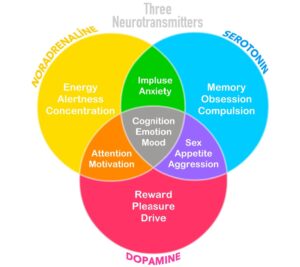
The Nutrient Piece (This Is Where I Lean In)
Over the years, I’ve seen a pattern that’s hard to ignore.
A 2017 systematic review published in Neuropsychiatric Disease and Treatment helped validate something many people already suspected: compulsive skin picking is not simply a “bad habit.” Researchers classified excoriation (skin-picking) disorder alongside obsessive-compulsive related conditions because of the repetitive urge-reward cycle involved.
They found that treatment approaches showing the most promise included behavioral therapies such as habit-reversal training, as well as certain medications and nutrients including SSRIs and N-acetyl cysteine (NAC), a supplement that is needed to make glutathione. And that compound helps regulate glutamate signaling involved in compulsive behaviors. If you take SSRIs for these conditions, you should know up front what the sexual side effects are, and how to restore intimacy: READ THIS.
When certain nutrient levels are suboptimal, these “picking” behaviors can become more frequent, more intense, and harder to stop. In particular minerals!
Iron.
Iron is one of the big ones. It’s required for dopamine synthesis through an enzyme called tyrosine hydroxylase. When iron stores are low — even without anemia — people may feel fatigued, unmotivated, mentally foggy, or restless in a way that’s hard to describe. Some develop cravings, like chewing ice, while others develop repetitive behaviors that help “stimulate” the brain. I’d say nail biting and skin picking could be part of the picture, even if mild. You may be interested in this article next, 5 Reasons for Low Iron and How It Relates to Thyroid Disease
Magnesium.
Magnesium is another. It plays a role in calming excitatory signaling in the brain, particularly through NMDA receptor regulation. When magnesium is low, people often describe feeling wired but tired. They may have muscle tension, poor sleep, increased irritability, or a sense that their nervous system never fully settles. In that state, repetitive behaviors can become a kind of release valve. If you need a great form of magnesium that is gentle on your stomach, TRY THIS.
Zinc.
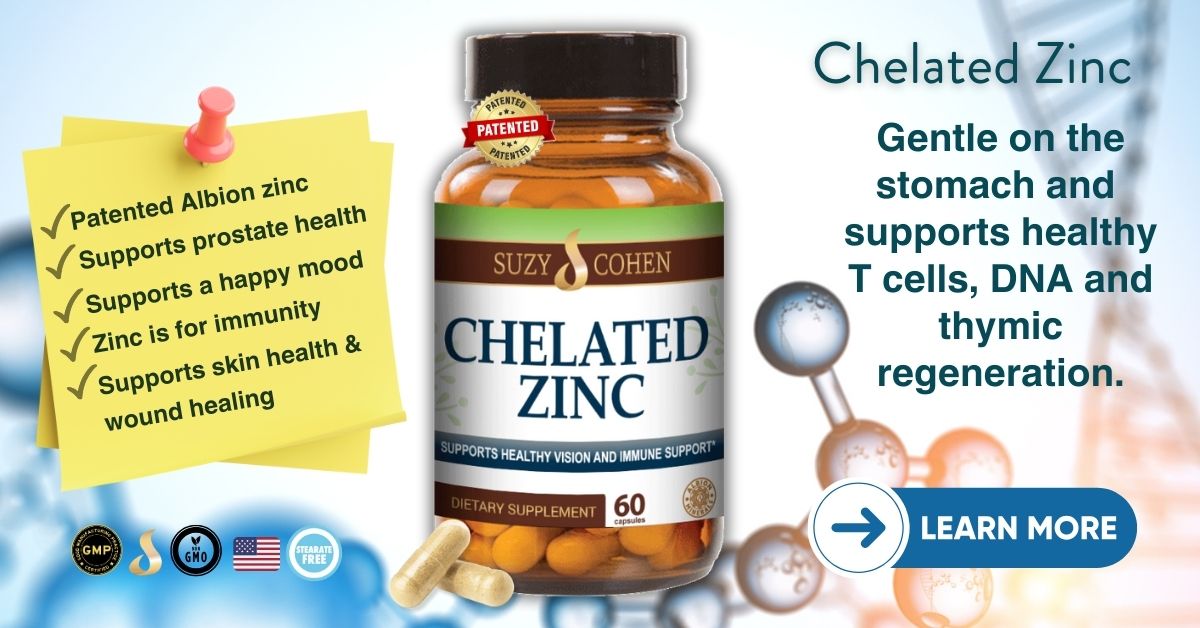
Zinc is less talked about, but it matters. It supports neurotransmitter balance and immune function, and low levels can show up as poor wound healing, frequent infections, changes in taste or smell, or skin issues that tempt people to pick their skin. When the skin is inflamed or slow to heal, it becomes a target. Here are 6 Critical Reasons You Need Zinc.
Then there are the B vitamins. These are central to methylation and neurotransmitter production. When B6, B12, or folate (as in a good B complex) are insufficient, people may experience low mood, irritability, reduced stress tolerance, and cognitive changes. The brain simply doesn’t run as efficiently, and small regulatory behaviors can become more prominent.
This doesn’t mean a supplement “cures” the skin picking or nail biting, face touching, leg bouncing, or whatever behavior is going on.
But it does mean the terrain matters. And yes, I use and recommend well-absorbed forms of these nutrients — including chelated magnesium, chelated zinc, and a balanced B complex — because if you’re going to support the system, the form actually matters.
Medications Can Influence Nail Biting & Skin Picking Too
There’s another layer.
Certain medications can shift neurotransmitters in ways that either improve or worsen these behaviors. Stimulants, for example, can increase repetitive behaviors in some individuals.
SSRIs may reduce them in others, particularly in more compulsive presentations. And medications with anticholinergic effects can sometimes increase restlessness or sensory discomfort, which may indirectly contribute.
This is why I always say context matters. If skin picking or nail biting or other habits suddenly appear or intensify, it’s worth asking what changed — not just psychologically, but physiologically. 
About Skin Picking and Nail Biting
When I talk about skin picking, I’m not talking about the occasional pimple.
I’m talking about the cycle — where a small imperfection becomes something your brain locks onto, and the skin never quite gets a chance to heal.
At that point, it’s not about the skin anymore. It’s about the loop.
That said, supporting skin health does matter. When breakouts are under control, there’s simply less for the brain to fixate on. That’s one of the reasons I formulated DermaScript — to address the upstream drivers of skin issues so the cycle doesn’t start in the first place.
A Personal Note
I don’t personally bite my nails anymore. I used to as a young teenager. Some people stop biting their nails if they apply acrylic tips or shellac polish… I guess because it strengthens them and makes it harder to bite, I’m not exactly sure. But if you do that, you should choose the right polish and be informed. Take a minute to read this article: 3 Harmful Ingredients In Your Nail Polish and Tips to Beautify Your Nails
And I’ve spent decades talking with people who do — and I’ve never once thought, “Why don’t they just stop?”
Because it’s not that simple.
Once you understand that these behaviors are tied to brain chemistry, sensory processing, and nervous system regulation, your perspective shifts.
And usually, the behavior begins to shift too.

What Actually Helps Skin Picking
It’s not about shame. It’s not about discipline → It’s about support.
When sleep improves, the brain stabilizes.
When nutrients are replenished, neurotransmitters function better.
When stress is reduced, the urge softens.
And when you give your hands something else to do — even something simple — you interrupt the loop.
Final Thoughts
These behaviors are not random.
They’re signals. Your brain is trying to regulate something — stimulation, stress, focus, or chemistry. And when you support the system instead of fighting the behavior, things begin to change.
Not overnight, but steadily. Because sometimes what looks like a habit is actually physiology trying to solve a problem.
Related Articles
5 Types of Face Touching: Do You Scratch Your Nose, Rub Your Face or Twirl Your Hair?
When Panic Attacks Feel Like a Heart Attack + 6 Things That May Help
What If You Think Something Awful? Understanding Intrusive Thoughts
New Info on Seasonal Affective Disorder and 7 Ways to Cope
Unraveling the Mystery: 5 Psychosomatic Disorders vs. Hard-to-Diagnose Illnesses

Suzy Cohen, RPh, has been a licensed pharmacist for over 30 years, blending conventional medicine with natural approaches to help people feel better and live healthier. She is the founder of Script Essentials, a supplement company known for targeted, custom-formulated products, some with patented innovations.
With a special focus on thyroid health, functional medicine, and drug-induced nutrient depletion (what she calls “drug muggers”), Suzy is the author of several books including Thyroid Healthy, Drug Muggers, and Diabetes Without Drugs. She also writes a nationally syndicated health column and shares practical, easy-to-understand guidance with readers around the world.