You look down at your thigh and there it is, another purple bruise.
You don’t remember bumping into anything. You certainly didn’t get into a bar fight. Yet somehow your leg looks like it has a more exciting social life than you do.
Easy bruising becomes more common as we get older, but sometimes it’s more than thinning skin. Medications, supplements, nutritional deficiencies and certain medical conditions can all make you bruise more readily. In fact, easy bruising is surprisingly common even among otherwise healthy people. But when it suddenly becomes frequent, extensive or unexplained, I think it’s worth asking why rather than simply blaming age.
Here are nine possible reasons you may be bruising more easily than usual:
1. Thin Skin Causes Easy Bruising
Let’s start with the most common and least frightening explanation.
As we age, skin becomes thinner and loses some of its protective fatty layer and structural support. Blood vessels beneath the surface also become more fragile. That means a bump that wouldn’t have left a mark when you were 30 can produce a spectacular bluish-purple souvenir at 65.
Sun exposure compounds the problem because UV radiation damages your collagen and elastin, and it gets cumulatively worse over the decades. The backs of your hands and forearms are especially vulnerable. 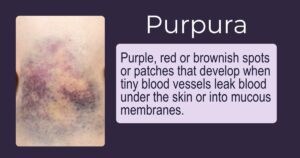
This is one reason I care so much about nutrients involved in collagen production and skin integrity. Vitamin C, zinc and adequate protein all participate in maintaining healthy tissue. I wrote an article you might like to peek at: Clearing the Confusion About the Types of Collagen.
If you regularly discover bruises and think, “Where on earth did THAT come from?” welcome to the club none of us remember joining. My DermaScript formula was designed as nutritional support for skin, hair and nails. I wouldn’t suggest any supplement as a treatment for unexplained bruising.
Today, job one is to figure out what’s causing it if it’s not your skin just thinning out due to age.
2. You May Be Low in Vitamin C
This one fascinates me because we tend to think of vitamin C deficiency as something that disappeared with wooden ships and pirates, along with scurvy. But it didn’t – I firmly believe a lot of people are walking around with C deficiency and don’t even realize it. One clue could be high cholesterol levels. More on that in a minute.
Vitamin C is needed for normal collagen formation in your body. Collagen isn’t just about keeping wrinkles at bay, it provides structural support to your blood vessels. With significant vitamin C deficiency, capillaries become fragile, which can result in petechiae, purpura and easy bruising.
Cholesterol comes into play. There is an intriguing older hypothesis that when collagen production is inadequate, LIPOPROTEINS, particularly modified LDL and Lp(a), may accumulate in damaged arterial walls as a kind of compensatory “patch.” But that’s a proposed mechanism, one that I think plays a small role, but FYI it’s not an ‘accepted’ explanation for why people develop high cholesterol. Back to bruising… 
A 2026 REVIEW looked at about 280 published cases of adult scurvy dating from 2000 to 2025. Purpura and hemorrhage were among the most notable findings, and restrictive diets and social isolation showed up repeatedly among the risk factors.
Now, I’m not suggesting every mystery bruise means you have mild scurvy! Severe deficiency is pretty uncommon these days. But marginal nutrition is considerably more plausible, particularly in someone who eats very few fruits and vegetables, has a restrictive diet or has problems absorbing nutrients.
That’s where a quality Vitamin C supplement can be useful when dietary intake isn’t sufficient. Food sources include citrus, bell peppers, strawberries, kiwi and broccoli. As always, there’s no pressure—shop wherever you like. But if you enjoy my blogs and want to support what I do, you can CHECK OUT MY VITAMIN C HERE.
3. Aspirin and NSAIDs Can Leave Their Mark
This is pharmacist territory, I live in this world. Aspirin interferes with platelet function (not necessarily in a bad way, but it does), so bruising and bleeding can occur more readily. Just be aware of that. Other NSAIDs such as ibuprofen, ketoprofen and naproxen can also interfere with platelet function, although their effects differ from aspirin.
And people often forget to count over-the-counter drugs when their doctor asks, “What medications do you take?”
Advil counts. Aleve counts. Aspirin counts. So does that bottle you take only “once in a while” … if once in a while has quietly become four days a week. 
By the way, if you’re pregnant and prone to high blood pressure, there is some research suggesting that ASPIRIN MIGHT HELP PREECLAMPSIA.
Fun fact: Aspirin belongs to the salicylate family, and related salicylates occur naturally in many fruits, vegetables, herbs and spices. But eating salicylate-containing foods isn’t the same as taking aspirin which is morphed from salicylates into a drug. Salicylate-containing fruits and vegetables aren’t considered a cause of easy bruising. Nevertheless, if you want to know what they are, read my other article, 36 Foods that Contain Aspirin.
4. Blood Thinners Are Designed to Make Clotting Harder
If you take warfarin (Coumadin), apixaban (Eliquis), rivaroxaban (Xarelto), dabigatran (Pradaxa), clopidogrel (Plavix) or another anticoagulant or antiplatelet medication, bruising isn’t particularly mysterious. 
These medications affect different portions of the clotting process, but the end result is intentionally reduced clot formation.
That’s lifesaving when you’re preventing a stroke or dangerous blood clot. It can also mean that a minor bump leaves a much more impressive bruise.
Don’t stop these medications because you’re bruising. Unexpected or excessive bruising should instead prompt a conversation with your prescriber, particularly if there’s also bleeding.
5. Corticosteroids Can Thin the Skin
Prednisone is an obvious example, but don’t forget other forms of corticosteroids. These include oral drugs such as methylprednisolone and dexamethasone, steroid injections for painful joints or the spine, inhaled steroids used for asthma, and potent steroid creams applied to the skin. Even nasal corticosteroid sprays belong to this drug family, although systemic exposure is generally much lower.
Long-term systemic corticosteroid exposure can reduce collagen formation and cause skin thinning and blood-vessel fragility. Easy bruising can follow.
Depending upon dose, potency, and duration, this can also occur with potent topical corticosteroids, particularly when they’re used extensively or on thin skin.
So when evaluating unexplained bruising, don’t just look in the pill bottle. Creams, injections and inhaled medications belong on the medication list too even though I don’t think they will cause bruising the way oral steroids can.
6. Your Dietary Supplements Could Be Contributing
Natural doesn’t automatically mean incapable of affecting clotting.
This is where I’d review the entire supplement cabinet, particularly when supplements are combined with aspirin, an anticoagulant, or an antiplatelet medication.
High-dose vitamin E deserves special attention. The NIH notes that large supplemental doses can inhibit platelet aggregation and interfere with vitamin K-dependent clotting, potentially increasing bleeding risk—particularly when combined with anticoagulant or antiplatelet drugs.
Certain supplements and botanicals are also commonly discussed in connection with bleeding risk or platelet activity, including concentrated garlic, ginkgo and others. The strength of evidence isn’t equal for every supplement, so I don’t like throwing them all into one giant “blood-thinner” bucket.
But if you’re bruising unexpectedly, bring your supplement list to your pharmacist too. Much as I love supplements, more isn’t always better. 
7. Vitamin K Matters – But Don’t Automatically Supplement It
Vitamin K is essential for producing several clotting factors. True vitamin K deficiency can therefore cause abnormal bleeding and bruising.
For most healthy adults eating a varied diet, however, clinically significant vitamin K deficiency from diet alone is unusual. It becomes more plausible with fat-malabsorption disorders, certain gastrointestinal diseases, bariatric surgery and some medications.
And here’s an important warning: if you take warfarin, don’t suddenly start taking vitamin K because you’re bruising. Vitamin K directly interacts with warfarin’s anticoagulant effect. Your intake needs to be managed appropriately with your healthcare practitioner.
This is a perfect example of why treating a bruise before understanding its cause can backfire.
8. Your Platelets May Be Low—or Not Working Properly
Platelets are tiny blood components that rush to the scene when a blood vessel is injured and help form the initial plug.
If you don’t have enough platelets—or they aren’t functioning normally—you may notice easy bruising, pinpoint red or purple spots called petechiae, nosebleeds or bleeding gums.
Causes range from medications and infections to autoimmune disorders, bone-marrow conditions and other illnesses.
The good news is that a simple CBC with platelet count is often one of the first laboratory tests used when unexplained bruising is being evaluated. Depending on the situation, clinicians may also check a peripheral smear, PT/INR, aPTT, fibrinogen and liver or kidney function.
9. Your Liver Deserves a Look
Your liver does considerably more than process last night’s glass of wine.
It manufactures many of the proteins involved in blood clotting. Significant liver dysfunction can therefore interfere with normal coagulation and contribute to bruising or bleeding.
That doesn’t mean a few bruises equal liver disease. But widespread unexplained bruising—particularly when accompanied by jaundice, abdominal swelling, unusual fatigue, dark urine or abnormal liver tests—deserves medical attention.

What About Zinc?
Zinc is important for skin integrity, immune function and wound healing, which is why I pay attention to adequate intake and why I formulate with it. But I wouldn’t tell someone that zinc deficiency is a common direct cause of easy bruising. That’s overstating the evidence.
My Zinc supplement can help support adequate zinc status when intake is insufficient, but if unexplained bruising is the problem, I’d look first at medications, platelet function, vitamin C or K status, skin fragility and the medical causes we’ve discussed above.
And remember that zinc is another nutrient where more isn’t necessarily better. Chronically taking excessive zinc can induce copper deficiency, which can cause anemia and neurological problems. So please don’t respond to every mysterious symptom by doubling your supplements. 
When Bruising Needs More Than a Vitamin
A small bruise after bumping the kitchen counter isn’t an emergency.
But I’d seek medical evaluation for bruises that suddenly appear frequently without explanation, become unusually large or numerous, or occur along with nosebleeds, bleeding gums, blood in urine or stool, very heavy menstrual bleeding, fever, marked fatigue or tiny widespread petechiae.
Family history matters too. Some inherited bleeding disorders aren’t discovered until adulthood.
A 2024 clinical review on evaluating bleeding and bruising emphasizes taking a careful personal, family, medication and nutritional history before moving into laboratory testing.
That’s good medicine because sometimes the explanation isn’t hidden in an exotic laboratory test.
It’s sitting in your medicine cabinet.
And sometimes it’s sitting in your supplement cabinet right next to it.
This is also where nutrition becomes interesting. Vitamin C and collagen make a nice one-two punch for skin support: Vitamin C is required for normal collagen synthesis, while collagen peptides provide amino acids that support the structural proteins in skin. I offer both my Vitamin C and Collagen Beauty Peptides for people who want additional nutritional support as they age. Just remember, supplements may support healthier skin, but they won’t explain sudden or excessive bruising. 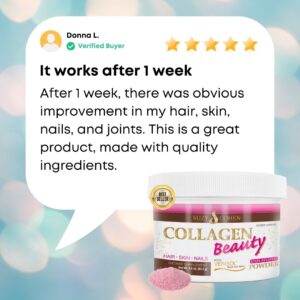
Why Women May Bruise More Easily Than Men
If you’re a woman who seems to collect bruises more easily than the men in your life, you’re probably not imagining it. Women generally have thinner skin and less collagen in the dermis than men, which means there may be less structural protection surrounding those tiny blood vessels when you bump into something. Estrogen also helps support collagen, skin thickness and blood-vessel integrity, so as estrogen declines during menopause, skin becomes thinner and more fragile—and bruises can become increasingly noticeable.
There’s another anatomical difference too. Women tend to have a thicker layer of subcutaneous fat but a thinner dermis, whereas male skin typically contains more collagen and is thicker overall. That may help explain why the same innocent encounter with the corner of a coffee table can leave her with a purple calling card while he walks away wondering what all the fuss is about.
Of course, being female doesn’t explain new, severe or spontaneous bruising. If your bruising suddenly changes, becomes extensive or occurs along with unusual bleeding, don’t chalk it up to hormones or aging. That’s when I’d look deeper at medications, supplements, platelet counts, nutritional status and other potential causes. Apparently, with age, our skin develops a better memory than we do—it remembers every little bump.
Related Articles
Why Skin Picking and Nail Biting Are So Hard to Stop
10 Ways Swimming Affects Your Skin: A Dive into Chlorinated Pools and Ocean Water
The 6 Best Peptides for Beautiful Skin
10 Novel Treatments for Chronic Itch, Eczema and Skin Infections
What Your Skin Says About Your Health
Shingles Pain: 17 Excellent Idea to Heal and Recover Faster

Suzy Cohen, RPh, has been a licensed pharmacist for over 30 years, blending conventional medicine with natural approaches to help people feel better and live healthier. She is the founder of Script Essentials, a supplement company known for targeted, custom-formulated products, some with patented innovations.
With a special focus on thyroid health, functional medicine, and drug-induced nutrient depletion (what she calls “drug muggers”), Suzy is the author of several books including Thyroid Healthy, Drug Muggers, and Diabetes Without Drugs. She also writes a nationally syndicated health column and shares practical, easy-to-understand guidance with readers around the world.