I’ve recently become friends with a wonderful person who spends his days caring for others. He’s one of those rare souls who gives and gives, but somehow never makes it onto his own to-do list.
Lately, I’ve noticed that his health seems to be taking a back seat, even as little symptoms are starting to pile up. He’s noticed this too but he says he doesn’t have time for himself. So I’m gently nudging him to see a doctor and include more nutritious ‘living’ foods, as well as less fast food! (The trouble is being a pharmacist doesn’t automatically make people listen to me and give up Coke!)
But this is your reminder that even people who dedicate their lives to caring for others need a little caring for themselves. Self-care isn’t selfish, and sometimes the people who give the most need that reminder the most.
And he’s what got me thinking about how easily we all dismiss the little warning signs our bodies send us. I’ve been ignoring myself lately too, to be honest… not eating properly, not exercising enough, not sleeping as much as I need to… stuff like that. Anyway, I’m okay (so far) so don’t worry about me. But are you? If we were sipping coffee together at the local cafe, I’d ask you this point blank:
Have you ever noticed something unusual about your body and thought, “That’s probably nothing”? Have you been ignoring little things?
Most of us are pretty good at explaining away little symptoms. We blame our age, the weather, some new stressor, or that food we ate last night. Sometimes we’re right! But sometimes those seemingly innocent symptoms are your body’s version of a dashboard warning light.
Today, we’re going to explore 15 little symptoms you shouldn’t ignore, what they might mean, and when it’s time to investigate further.
Before we begin, I want to reassure you that having one of these symptoms doesn’t automatically mean something serious is wrong. Many have perfectly ordinary explanations. What matters is whether the symptom is new, persistent, getting worse, or occurring alongside other changes.
I’ve also included a handy infographic you can save or share with someone you love.
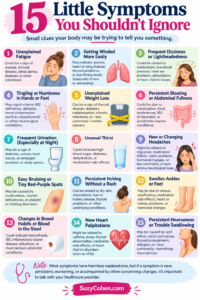
1. You’re Tired All the Time, Even After Sleeping
Everyone gets tired. But if you’re consistently exhausted despite getting enough sleep, your body may be asking for more than another cup of coffee.
Possible causes include:
- Iron-deficiency anemia https://suzycohen.com/articles/iron-deficiency-anemia/Could Iron Deficiency Anemia Be Draining You? 8 Critical Tests to Know)
- Hypothyroidism (Top 11 Thyroid Supplements for Hypothyroidism – A Buyer’s Guide)
- Vitamin B12 deficiency (7 Signs Your B12 Level Is “Normal” — But Your Body Is Still Deficient)
- Sleep apnea (Understanding the Difference Between Central Sleep Apnea and Obstructive)
- Diabetes (Here’s Your Diabetes “Off Switch”)
- Depression or chronic illness (Herbal Remedies for Anxiety and Depression)
As a pharmacist, you know I focus a lot on medications (and of course a correct diagnosis. I’ve been obsessed with that because Sam has been misdiagnosed several times pinned with things he didn’t have). Anyway, antihistamines, certain blood pressure drugs, sleeping pills, and other prescriptions can and often do contribute to fatigue. Sometimes timing of those meds causes daytime brain fog and sedation. Drugs with sedating qualities should always be taken at bedtime, or at least after dinner.
One important distinction: Feeling sleepy isn’t quite the same as feeling physically exhausted or depleted. You know the difference, and what’ I’m talking about. That difference can help you and your doctor narrow down the possibilities.
What to do: If fatigue persists or interferes with daily life, discuss it with someone in the know. Depending on your symptoms, a complete blood count (CBC), full (proper!) thyroid testing not just TSH, glucose and insulin testing, an OATS and/or DUTCH test, or evaluation for sleep apnea may be appropriate.

2. You’re Getting Winded More Easily
Remember when you could do a ton of things all day long without thinking twice? Remember when you could run 15 errands with a baby in your arms, or play golf for hours? Do pilates for an hour and want more! Now you’re halfway up the stairs, wondering who installed Mount Everest in your house!
Being out of shape can certainly make you breathless, but a noticeable change -especially if it’s sudden- in your exercise tolerance deserves attention.
Possible explanations include anemia, asthma, heart disease, lung conditions, and sometimes medication effects. You know what else it could be? Something I dealt with a few years ago, calcium dysregulation due to the parathyroid glands that manage calcium levels in your body (these have nothing to do with thyroid hormone by the way).
Parathyroid glands can grow adenomas, and the number one symptom is fatigue/weakness/shortness of breath. Read my blog here: Parathyroid Disease: My Recovery and Reflections
But in a more serious case it’s not your parathyroid gland. You see, shortness of breath can also accompany heart failure, especially when it’s associated with swollen ankles, difficulty breathing while lying flat, or waking up gasping for air. This is a tiny symptom that could be related to something bigger that needs checking out.
It could be asthma too. I’ve written about asthma quite a bit over the years. Read this blog I wrote last year and use my search box to find others: Breathe Easy, Understanding Prescribed Asthma Medications
What to do: New or progressively worsening breathlessness should be evaluated by a doctor, allergy specialist or cardiologist. Sudden or severe shortness of breath, particularly with chest discomfort, fainting, or blue lips, requires emergency care.
Here’s a handy tip: You can buy a fingertip pulse oximeter on Amazon or at most pharmacies. It measures your oxygen saturation (SpO₂) and pulse rate in seconds! Most healthy adults at sea level have readings around 95–100%, although normal values can be lower at higher elevations. Just remember, a normal reading doesn’t rule out heart disease, asthma, or other causes of breathlessness. Don’t let a reassuring number stop you from getting checked!
If you’ve been feeling winded lately, you might be tempted to ignore this symptom. You might imagine needing complicated tests like MRIs or CT scans, but sometimes a simple blood draw can provide valuable clues. So don’t be afraid to get checked! For example, a BNP or NT-proBNP blood test can help rule out heart failure as a cause of breathlessness. Elevated eosinophils, a type of white blood cell, may suggest allergic or eosinophilic asthma, although they don’t confirm it. Asthma is usually evaluated with a simple breathing test called spirometry.
3. You’re Frequently Dizzy or Lightheaded
Do you sometimes stand up and feel like the room moved? Occasional lightheadedness can happen when you’re dehydrated or stand up too quickly. But repeated episodes shouldn’t automatically be dismissed.
Potential causes include low blood pressure, medication effects called orthostatic hypotension, anemia, dehydration, heart rhythm disturbances, and inner-ear problems.
There’s also an important difference between dizziness and vertigo. Vertigo usually creates a spinning or moving sensation, while lightheadedness may feel more like you’re about to faint.
Certain medications, including diuretics and blood pressure drugs, can contribute to these sensations.
What to do: Pay attention to whether symptoms occur when standing, turning your head, exercising, or after taking medication. Frequent episodes, especially those associated with fainting or palpitations, deserve medical attention. 
4. Your Hands or Feet Keep Tingling
Ever wake up with a hand that feels like it’s been invaded by a thousand tiny ants?
Sometimes you’ve simply slept on your arm. No mystery there!
But recurring tingling, burning, or numbness may indicate nerve irritation or damage. Possible causes include:
- Carpal tunnel syndrome
- Diabetes-related neuropathy
- Vitamin B12 deficiency
- Nerve compression in the neck or back
- Other forms of peripheral neuropathy
Here’s a pharmacist pearl: Long-term metformin use and certain acid-suppressing medications can contribute to B12 deficiency in some people.
And while we’re discussing vitamins, excessive vitamin B6 from supplements can actually cause sensory neuropathy. More isn’t always better!
What to do: Persistent or progressive tingling deserves evaluation, especially if you’re developing weakness or losing sensation. Sudden one-sided numbness or weakness may indicate a stroke and requires emergency attention.
5. You’re Losing Weight Without Trying
Most people would celebrate dropping a few pounds without dieting. But unexplained weight loss isn’t always a gift from the universe. Read this article next, Tackling Unintended Weight Loss: 14 Ways to Manage Cachexia.
Possible causes include an overactive thyroid, diabetes, digestive disorders, medication effects, depression, chronic infections, and occasionally cancer.
One commonly used clinical threshold is losing more than 5% of your body weight over six to twelve months without trying, although smaller changes may also matter depending on your circumstances.
For someone weighing 150 pounds, that’s approximately 7.5 pounds.
What to do: If the scale keeps dropping and you haven’t changed your eating or exercise habits, make an appointment rather than simply buying smaller jeans.

6. Your Belly Is Frequently Bloated
A little bloating after a big meal isn’t unusual. But persistent abdominal fullness, especially when it’s new, deserves a closer look.
Constipation, food intolerances, irritable bowel syndrome, and certain medications can all contribute.
Sometimes the culprit is something as simple as swallowing excess air or eating too quickly. However, persistent bloating can occasionally be associated with more serious gastrointestinal or gynecological conditions.
In women, ongoing bloating accompanied by pelvic discomfort, feeling full quickly, or changes in urination should prompt medical evaluation because these symptoms can sometimes occur with ovarian cancer. I wrote this ARTICLE about that very topic.
What to do: Keep track of whether bloating relates to meals, bowel movements, or particular foods. Don’t repeatedly dismiss persistent or progressive abdominal swelling. Read my other article on this topic next: Bloating, Gas, and Gut Reactions: Choosing the Right Digestive Enzymes and Probiotics.
7. You’re Getting Up to Urinate Several Times a Night
One nighttime bathroom trip may be normal for some people. But if you’re getting up three or four times every night, your bladder may not be the only thing interrupting your beauty sleep.
Frequent nighttime urination is called nocturia.
Possible causes include diabetes, overactive bladder, urinary tract conditions, enlarged prostate, certain medications, and even sleep apnea.
Diuretics, commonly called water pills, can also contribute, particularly depending on when they’re taken.
What to do: Notice how much you’re drinking in the evening and whether you also have unusual thirst, burning, or daytime frequency. Persistent changes deserve evaluation.
8. You’re Thirsty All the Time
If you’re constantly reaching for water and still feel thirsty, your body may be trying to tell you something.
Dehydration is an obvious possibility, especially during hot weather or after exercise.
But excessive thirst, called polydipsia, can also occur with high blood sugar, certain medications, and less common disorders involving fluid regulation.
Here’s an important clue: Unusual thirst combined with frequent urination can be a sign of diabetes. 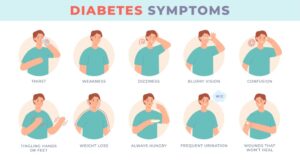
High blood sugar can cause the kidneys to release more glucose and water into the urine, leaving you thirsty and visiting the bathroom more often.
What to do: Persistent excessive thirst, especially with frequent urination, fatigue, or unexplained weight loss, warrants a blood glucose evaluation. Read this article next, 5 Surprising Ways Fig Fruit Extract Helps Glycemic Control and Cholesterol.
9. Your Headaches Are Changing
Headaches are incredibly common. Stress, poor sleep, dehydration, migraine, and medication overuse can all contribute.
But the pattern matters.
A headache that suddenly becomes more frequent, changes character, or behaves differently from your usual headaches deserves attention.
New headaches after age 50, headaches associated with vision changes, and headaches accompanied by neurological symptoms are particularly important to discuss with a clinician. This article may interest you: Painful Intracranial Hypertension Headaches are Sometimes Misdiagnosed.
What to do: Keep a headache diary noting timing, location, severity, associated symptoms, and medications taken. A sudden, extremely severe headache that peaks within seconds to a minute requires emergency evaluation.
10. You’re Bruising More Easily
You bump your arm against the kitchen counter and discover a purple souvenir the next morning.
That happens!
But unexplained bruising, unusually large bruises, or tiny red-purple spots on the skin may occasionally point toward something more significant.
Possible causes include medication effects, platelet abnormalities, clotting disorders, and certain nutritional deficiencies.
Blood thinners and antiplatelet medications can increase bruising. Corticosteroids may also make skin more fragile over time.
Tiny pinpoint spots called petechiae are different from ordinary bruises and can sometimes reflect bleeding beneath the skin.
What to do: New unexplained bruising or petechiae, especially with nosebleeds, gum bleeding, fever, or other symptoms, should be assessed promptly. Don’t stop prescribed blood thinners without medical guidance. Here’s an article I wrote for people who have easy BRUISING.
11. You’re Itching, but There’s No Rash
This one surprises people.
You can experience significant itching without seeing a single bump, hive, or patch of redness.
Dry skin is a very common explanation, especially during colder months when indoor heating reduces humidity.
However, persistent generalized itching can sometimes be associated with medication reactions, thyroid disorders, liver disease, kidney disease, or other medical conditions.
And no, it doesn’t automatically mean you have an allergy!
What to do: Try gentle skin care and fragrance-free moisturizers, but seek evaluation if the itching persists, disrupts sleep, or comes with symptoms such as jaundice, dark urine, or unexplained weight loss. Read this article next, 10 Novel Treatments for Chronic Itch, Eczema and Skin Infections.


12. Your Ankles Are Swollen by Evening
A little ankle swelling after a long flight or a day spent standing may be temporary. But recurring or worsening swelling deserves investigation. Possible causes include venous insufficiency, medication effects, kidney disease, liver disease, and heart failure.
Certain blood pressure medications, particularly calcium channel blockers such as AMLODIPINE, can cause ankle swelling.
That’s a medication side effect worth recognizing because it doesn’t necessarily mean you’re retaining excess fluid throughout your body.
What to do: Note whether one or both ankles are swollen and whether the swelling improves overnight. New swelling associated with breathlessness deserves prompt attention. Sudden one-sided leg swelling, especially with pain, warmth, or redness, requires urgent evaluation for a possible blood clot.
13. Your Bowel Habits Have Changed
Everyone’s digestive routine is a little different. Some people have a bowel movement every day, while others go less frequently.
What’s important is a persistent change from your usual pattern.
New constipation, ongoing diarrhea, narrower stools, or blood in the stool can have many explanations.
Hemorrhoids, dietary changes, medications, irritable bowel syndrome, and infections are among the possibilities.
But persistent changes can also occur with inflammatory bowel disease or colorectal cancer.
Here’s something I want you to remember: Don’t automatically assume rectal bleeding is hemorrhoids, even if you’ve had hemorrhoids before.
What to do: Report blood in the stool, black tarry stools, or persistent unexplained bowel changes to your practitioner. Heavy bleeding, fainting, or severe abdominal pain requires emergency evaluation. Here are 10 Gentle Ways to Soothe Hemorrhoids.
 14. Your Heart Occasionally Races or Flutters
A skipped beat or brief flutter can feel alarming, especially when you’re sitting quietly.
Palpitations may be associated with caffeine, stress, dehydration, thyroid disorders, medications, or abnormal heart rhythms.
Some people experience harmless premature beats, while others may have atrial fibrillation or another arrhythmia that needs treatment.
As a pharmacist, I pay attention to stimulant medications, decongestants, certain inhalers, and other products that can increase heart rate.
What to do: Recurrent palpitations, especially with dizziness or reduced exercise tolerance, deserve evaluation. Palpitations accompanied by chest pain, fainting, or severe shortness of breath require emergency care.
15. Your Voice Is Hoarse or Swallowing Feels Different
Maybe you’ve been clearing your throat more often, or your voice sounds unusually raspy.
A temporary change after a cold or a long day of talking is common.
But persistent hoarseness can be associated with reflux, vocal cord problems, medication effects, thyroid enlargement, and occasionally more serious conditions.
Difficulty swallowing, known as dysphagia, deserves particular attention if food feels stuck, swallowing becomes painful, or symptoms are getting worse.
What to do: Hoarseness lasting more than four weeks generally warrants examination of the voice box, and sooner if concerning symptoms are present. Persistent or progressive swallowing difficulty should also be evaluated. An inability to swallow saliva or difficulty breathing is an emergency.
What Do These Symptoms Have in Common?
You might have noticed that several conditions appear repeatedly throughout this list.
Thyroid disorders, diabetes, anemia, nutritional deficiencies, medication side effects, and cardiovascular conditions can produce symptoms in completely different parts of the body.
That’s why I encourage people to look at the bigger picture rather than treating every symptom as an isolated inconvenience. For example, fatigue combined with unusual thirst and frequent urination tells a different story than fatigue by itself.
Similarly, swollen ankles accompanied by increasing breathlessness deserve more attention than mild ankle puffiness after standing all day. I used to get the latter after working 14 hour shifts at the pharmacy but it went away pretty quickly. Most of the time, a combination of symptoms is better in terms of being more revealing than any single symptom you have.

A Pharmacist’s Reminder: Check Your Medication List
Before assuming a new symptom means you have a new disease, review your medication list with your pharmacist.
Prescription drugs, over-the-counter medications, and supplements can sometimes contribute to dizziness, fatigue, dry mouth, bruising, swelling, constipation, and other complaints.
This doesn’t mean your medications are necessarily inappropriate or that you should stop taking them. It just means timing matters. Ask yourself these questions:
Did the symptom begin after you started something new? Did your dose recently increase? Are you combining several products with similar effects?
These are exactly the kinds of questions that help you tease out what’s going on, and help a doctor figure it out too.
Also remember this, nutritional deficiencies can sometimes produce symptoms that resemble more serious diseases. So can drug muggers! Testing may help identify the actual cause before you start guessing which supplements to take.
When Should You Be Concerned?
Pay attention to symptoms that are new, persistent, progressive, unexplained, or interfering with your normal activities.
You don’t need to panic every time your body does something strange. We’d all spend our lives in waiting rooms if we did! But certain symptoms shouldn’t wait for a routine appointment.
Get emergency care for sudden chest pain, difficulty breathing, stroke-like symptoms, unexpected swelling, sudden severe headache, fainting with concerning symptoms, or significant bleeding.
The Bottom Line
Your body talks to you every day, and it doesn’t always use a megaphone. People who are busy like us tend to ignore the early signs.
Oftentimes, your body whispers. A little tingling. Feeling like you’re thirsty or a change in bathroom habits. Maybe it’s a weird or persistent itch… most of the time, there’s some reasonable explanation. And these problems are usually treatable.
But at the same time, you don’t want to let things go on for too long. Recognizing a new pattern early on can help you and your doctor identify conditions with enough time to properly treat it and/or cure it.
So pay attention to those little clues. Self care is important.
Your body may be whispering today before the ‘shouting’ starts. If you found my article helpful, feel free to share it with someone else you care about. That means the world to me. I only want to help people feel better and have been writing for 30 years. Sometimes a simple reminder is all it takes to encourage someone to get their problem checked out and it can change the trajectory of their life for the better.
Related Articles
10 Medicinal Ice Cube Recipes to Help You Lose Weight
The Truth About Glucosamine: Why I’ve Never Recommended It
The Placebo Effect – Why Fake Pills Help You Feel Better
Why Am I Bruising So Easily? 9 Causes You May Not Expect
Barrett’s Esophagus: A Silent Threat from Chronic GERD

Suzy Cohen, RPh, has been a licensed pharmacist for over 30 years, blending conventional medicine with natural approaches to help people feel better and live healthier. She is the founder of Script Essentials, a supplement company known for targeted, custom-formulated products, some with patented innovations.
With a special focus on thyroid health, functional medicine, and drug-induced nutrient depletion (what she calls “drug muggers”), Suzy is the author of several books including Thyroid Healthy, Drug Muggers, and Diabetes Without Drugs. She also writes a nationally syndicated health column and shares practical, easy-to-understand guidance with readers around the world.